Free Hair Extensions Logos
62 ready-made hair extension logo concepts, free to download — no signup, no email wall. They are AI-generated, which changes what you can and cannot own, so read the ownership section before you build a brand on one.
Then read:
what you can actually own ·
turning one into a usable logo ·
file specs ·
FAQ
More free sets:
wig photos ·
hair extensions ·
Brazilian ·
virgin hair
Free Hair Extensions Logos
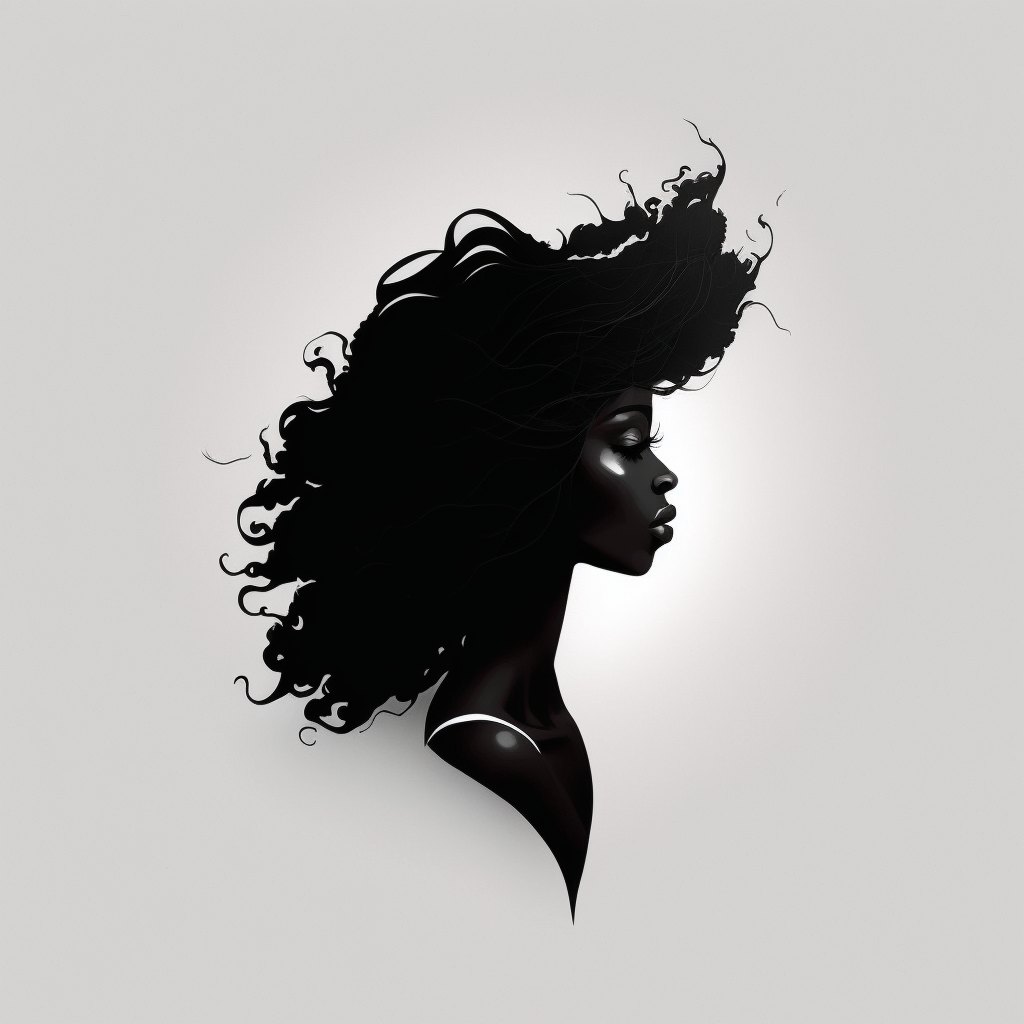
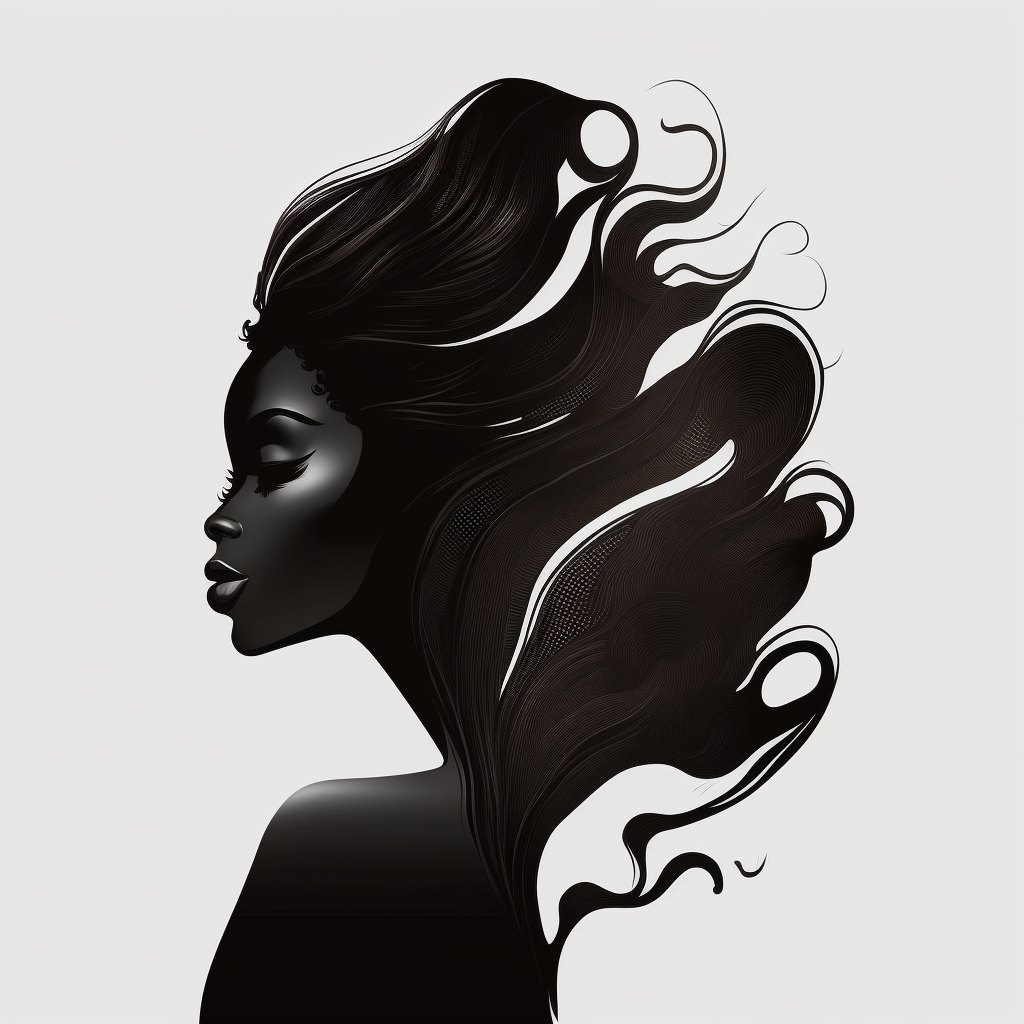
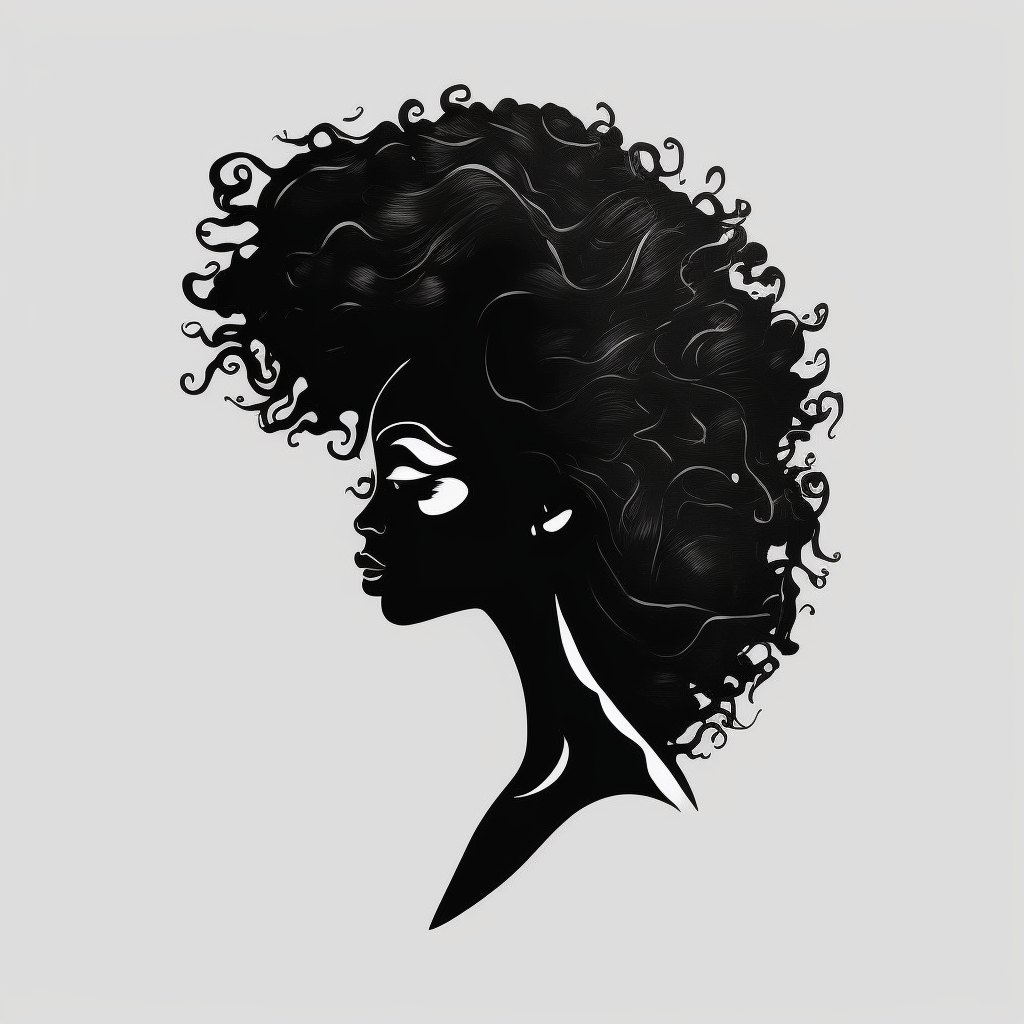
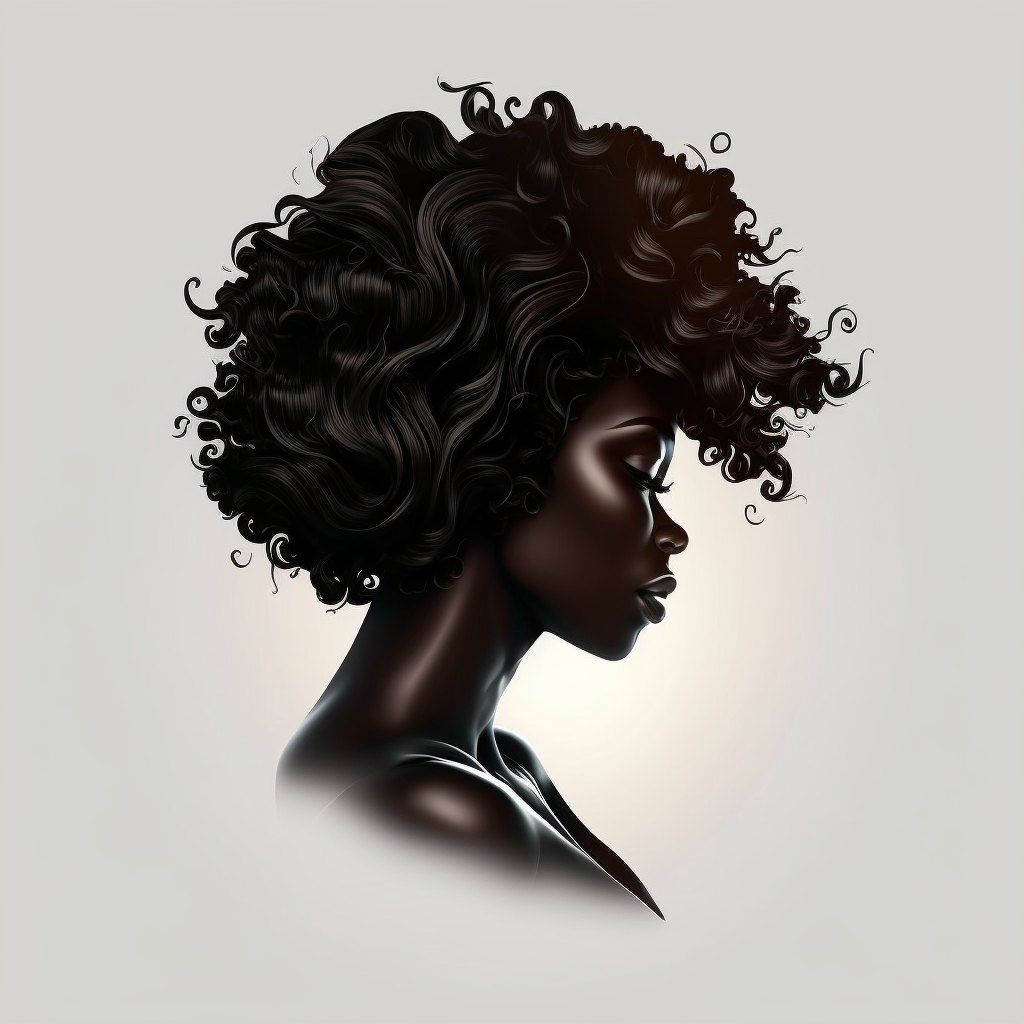
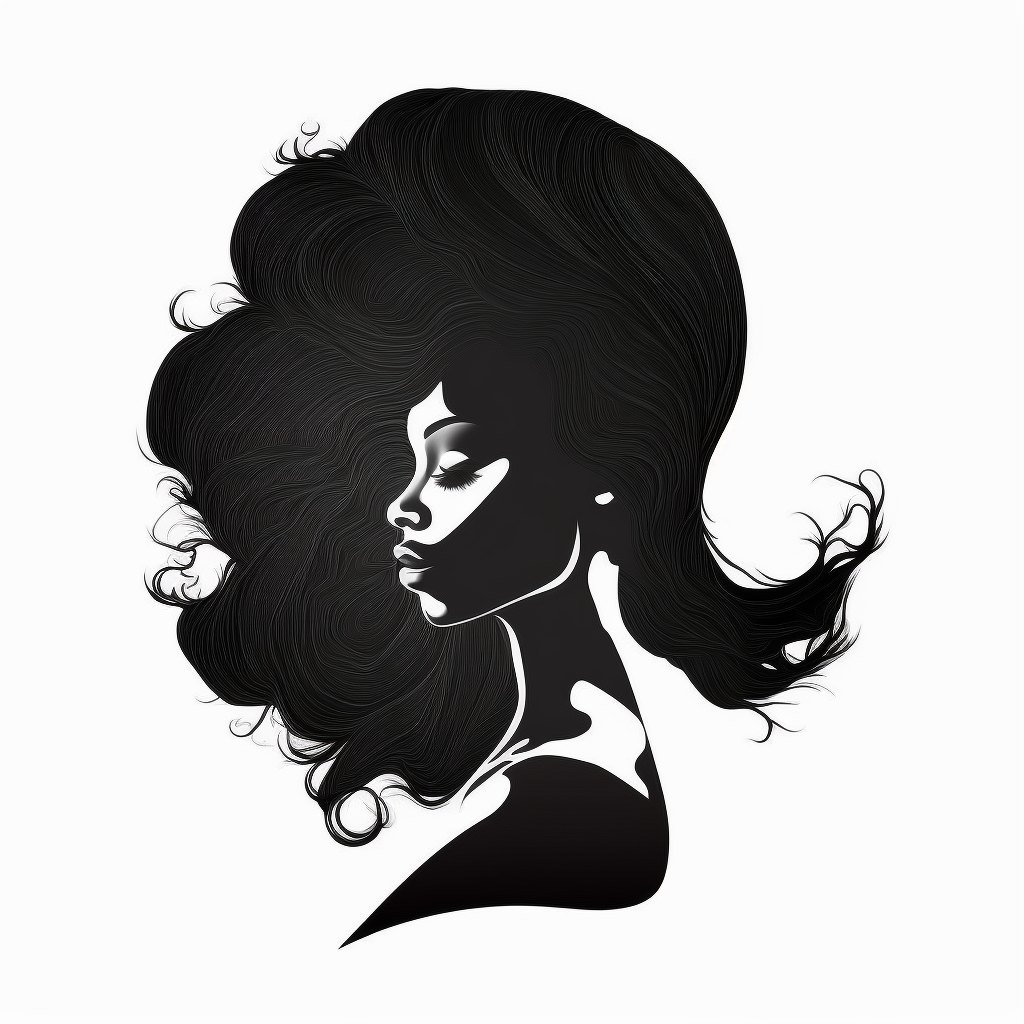
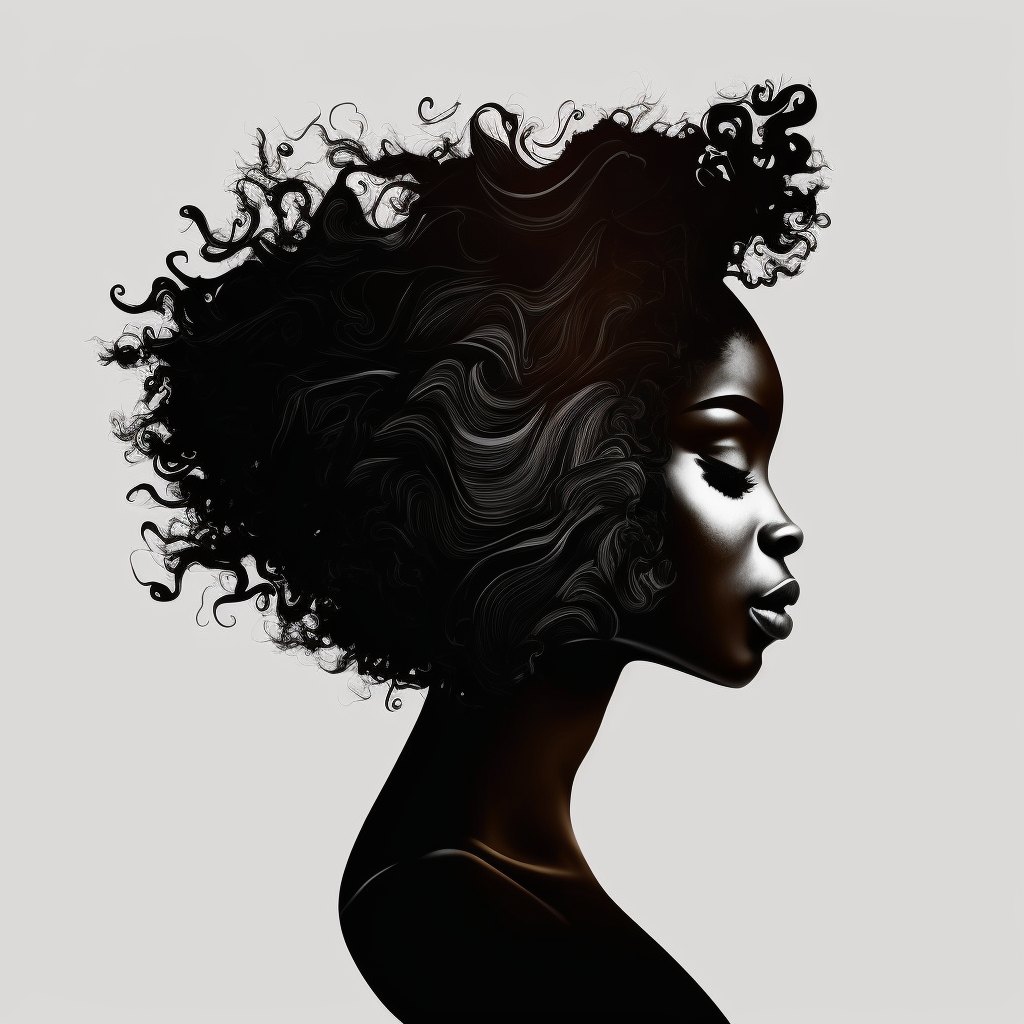
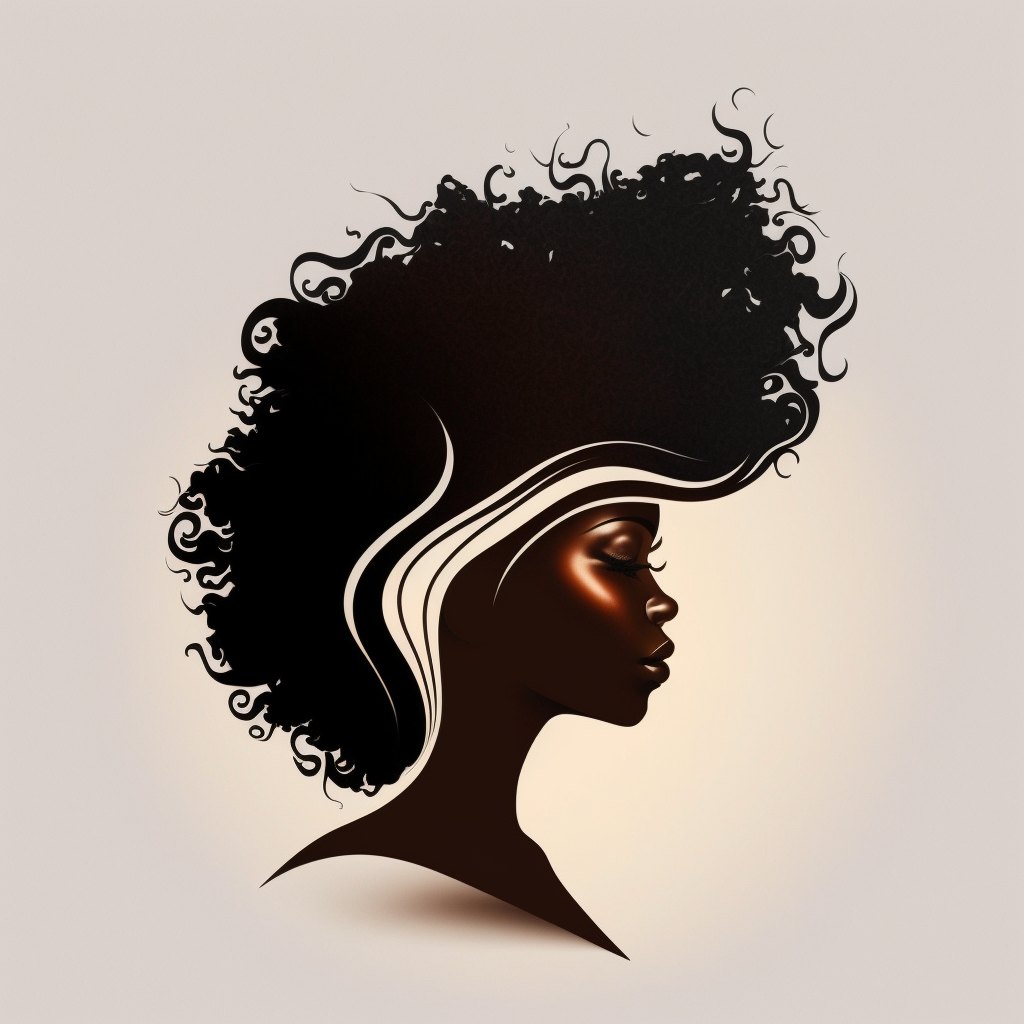
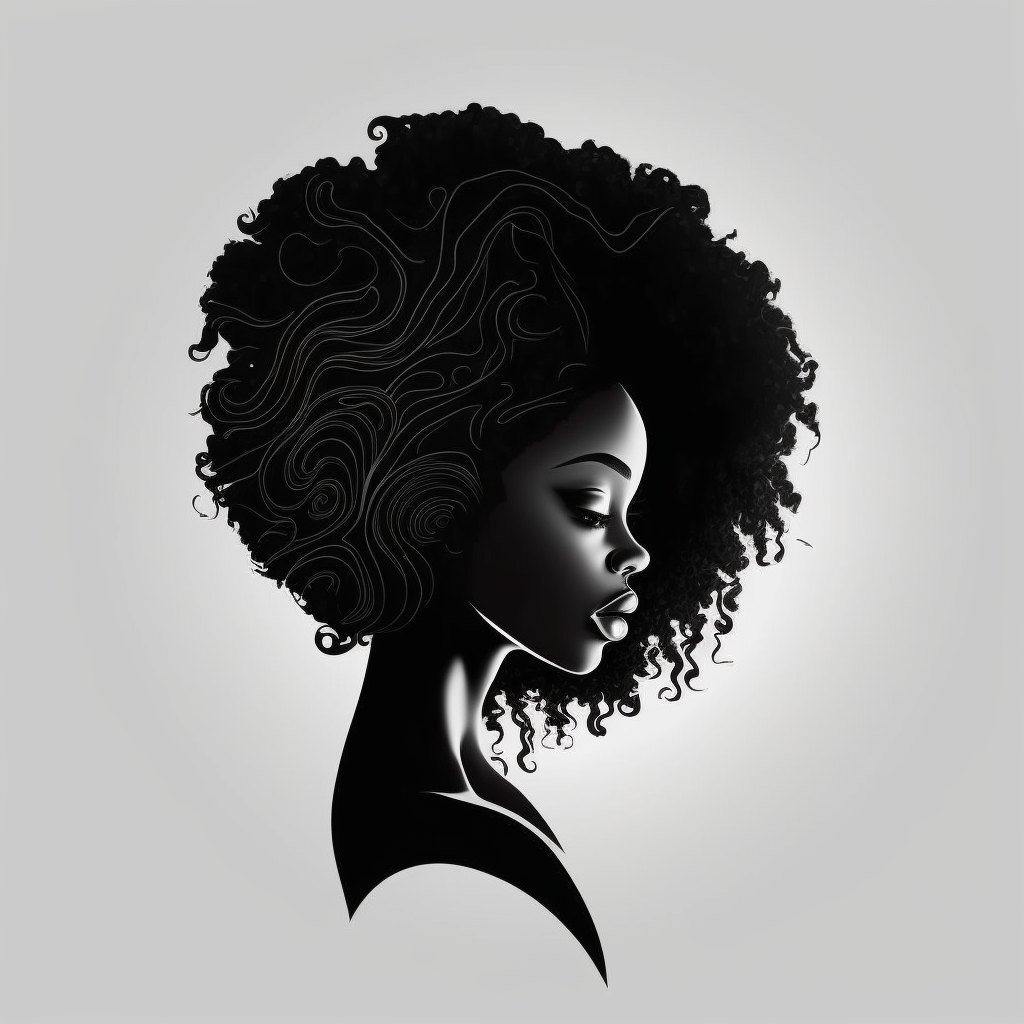
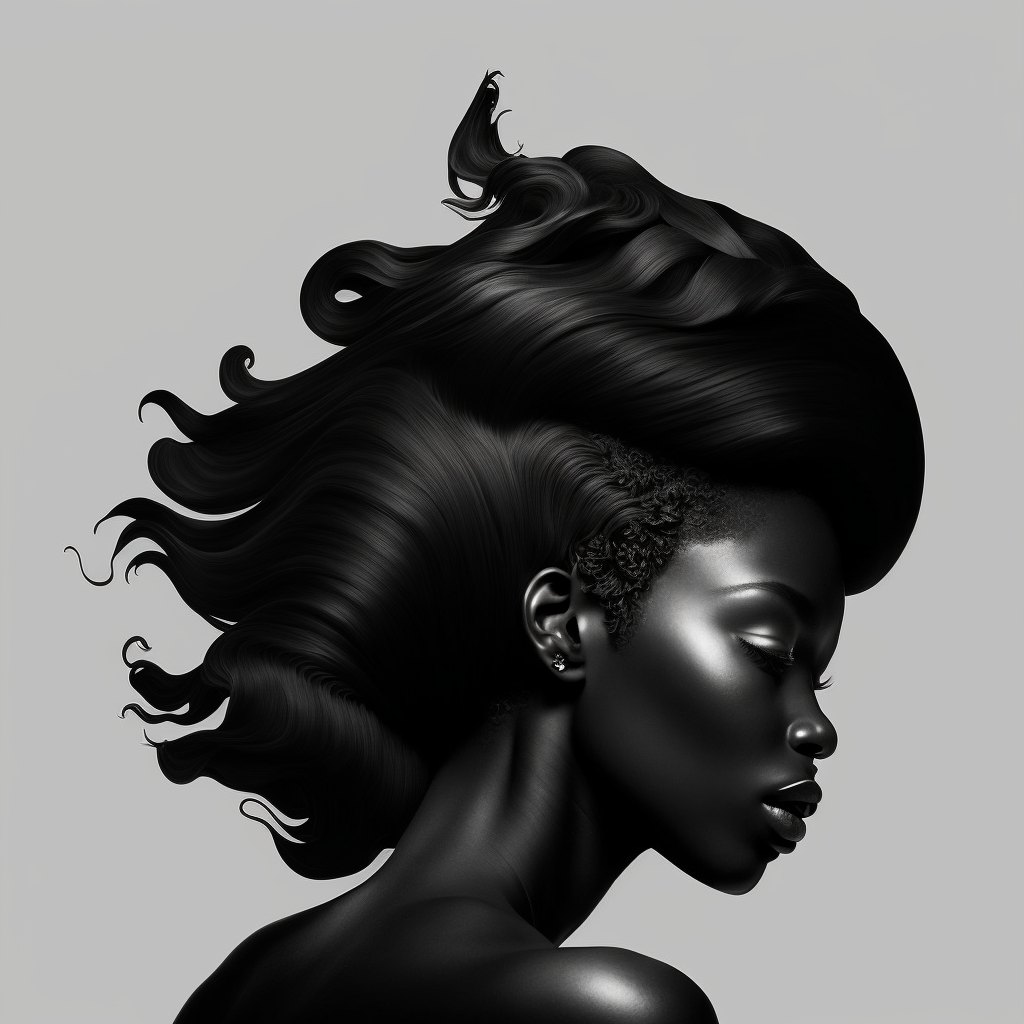
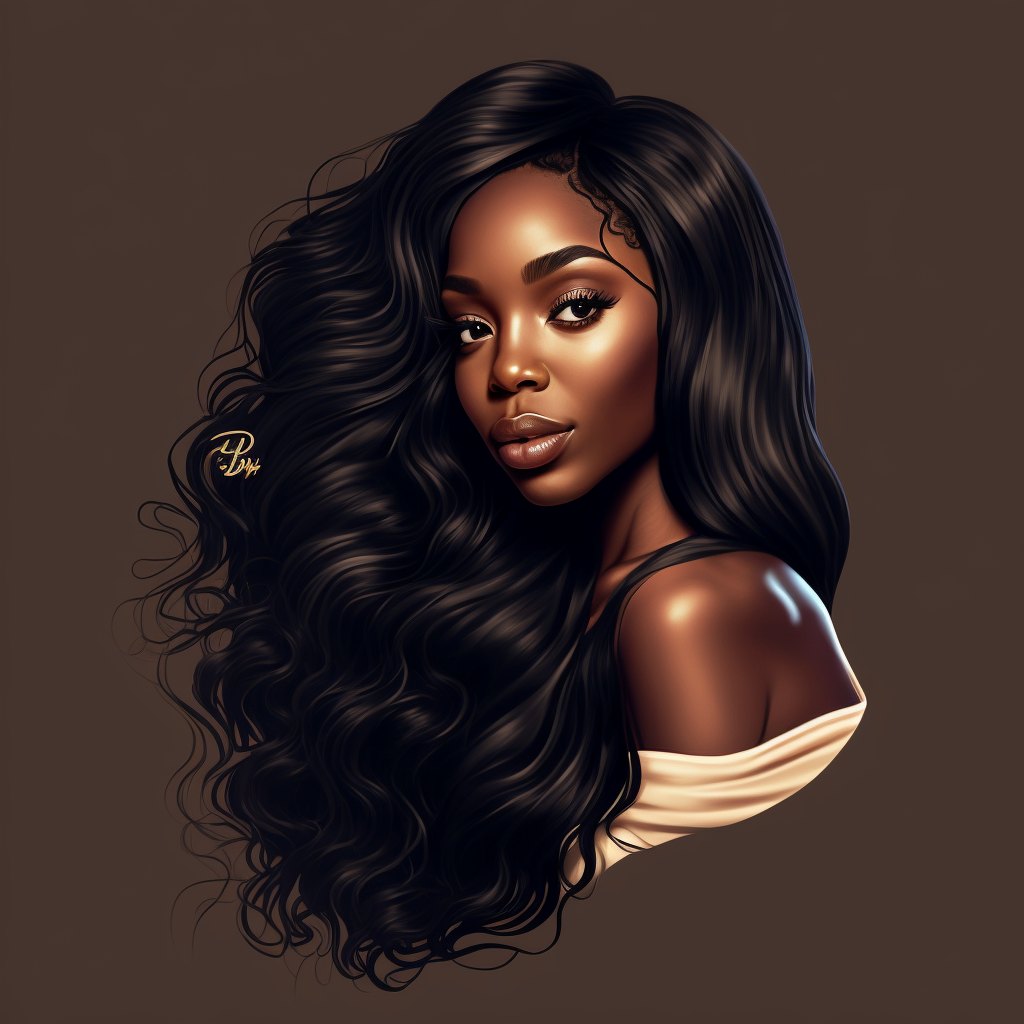
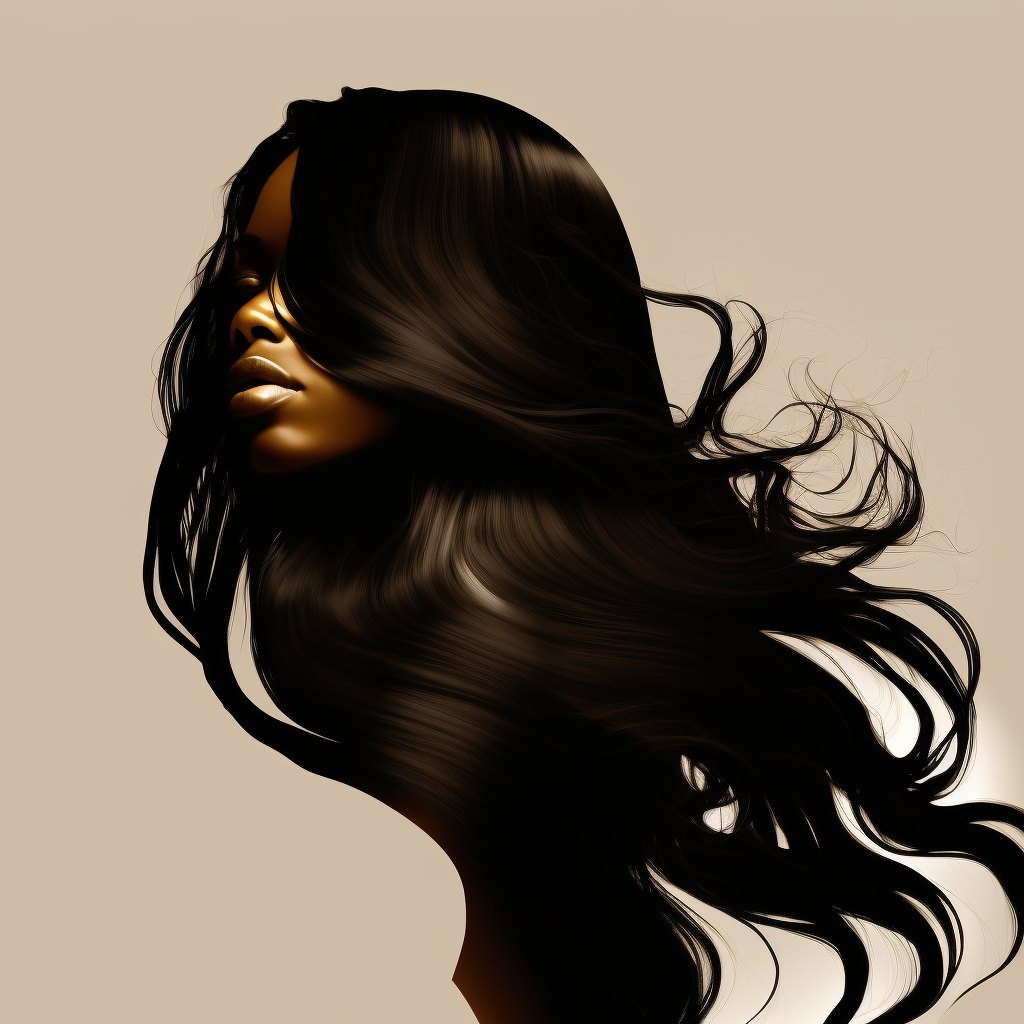
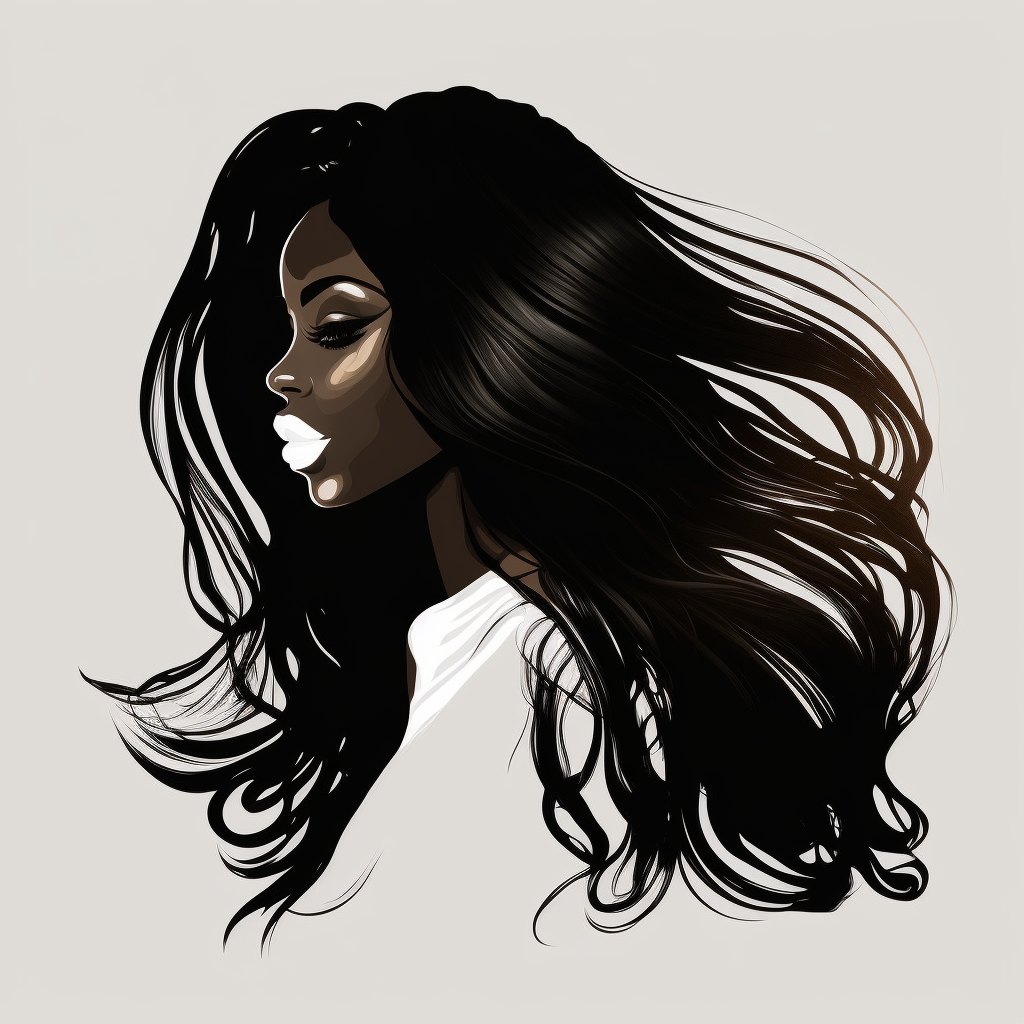
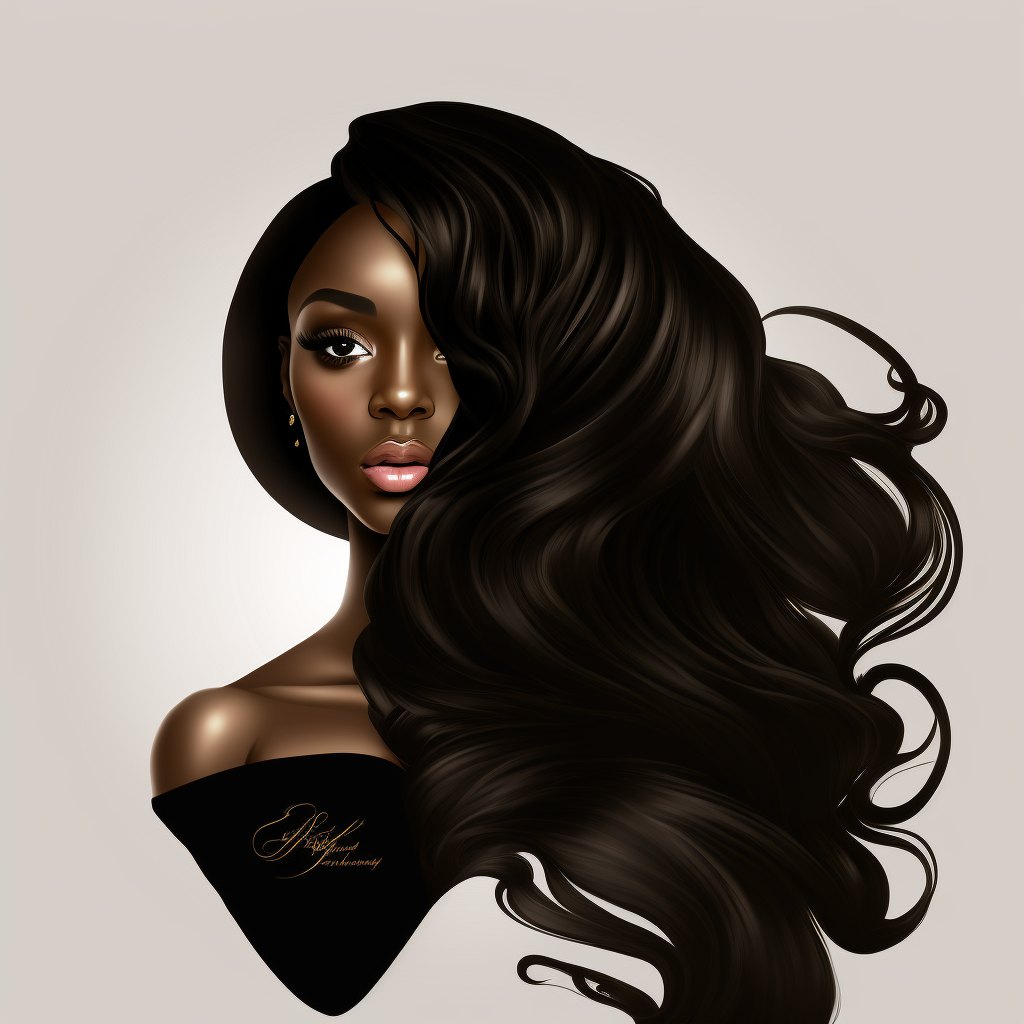
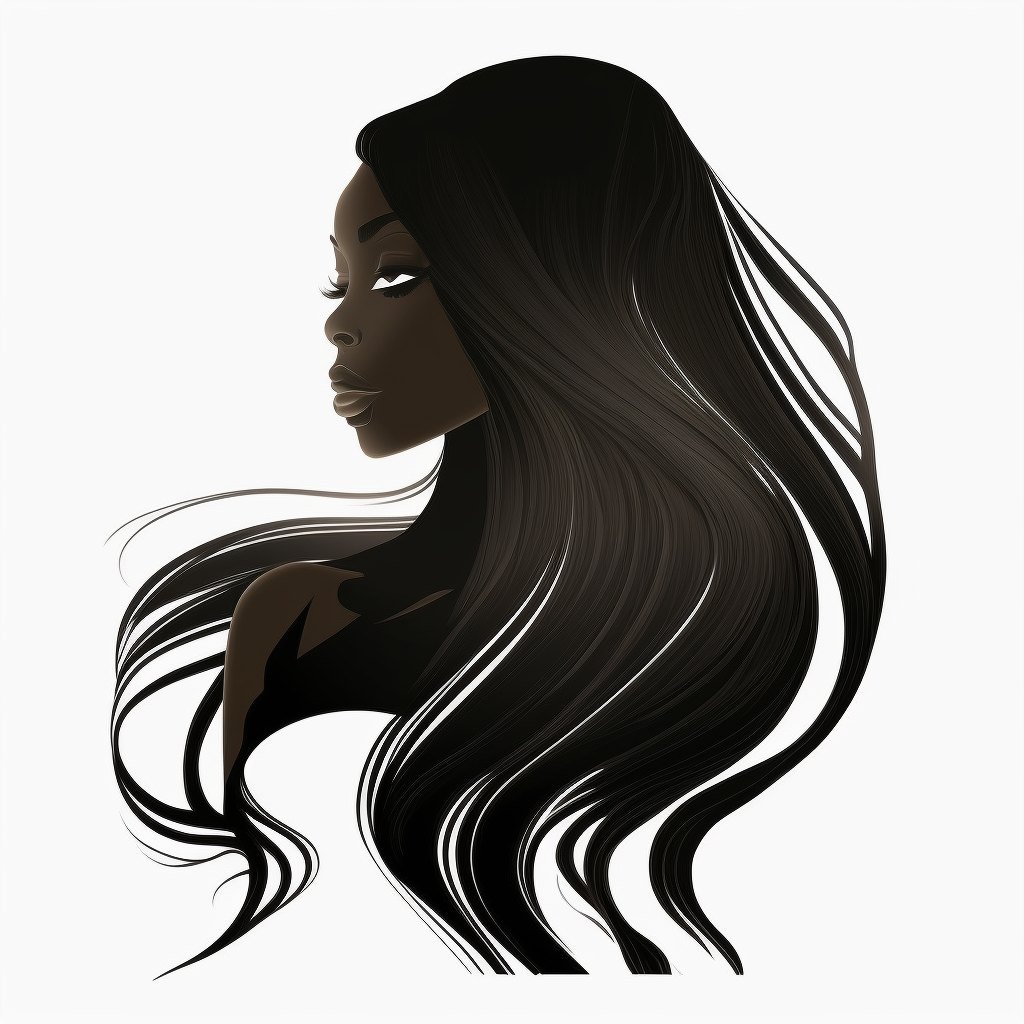
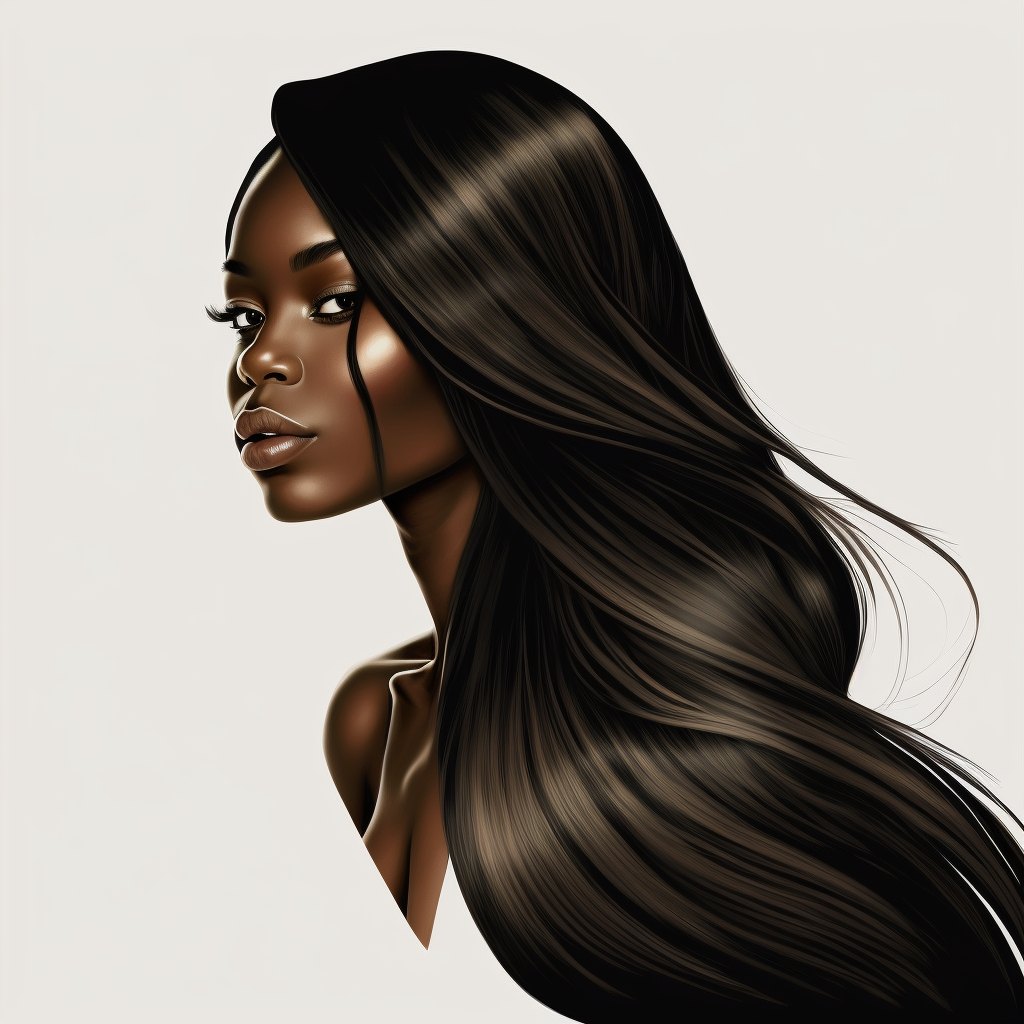
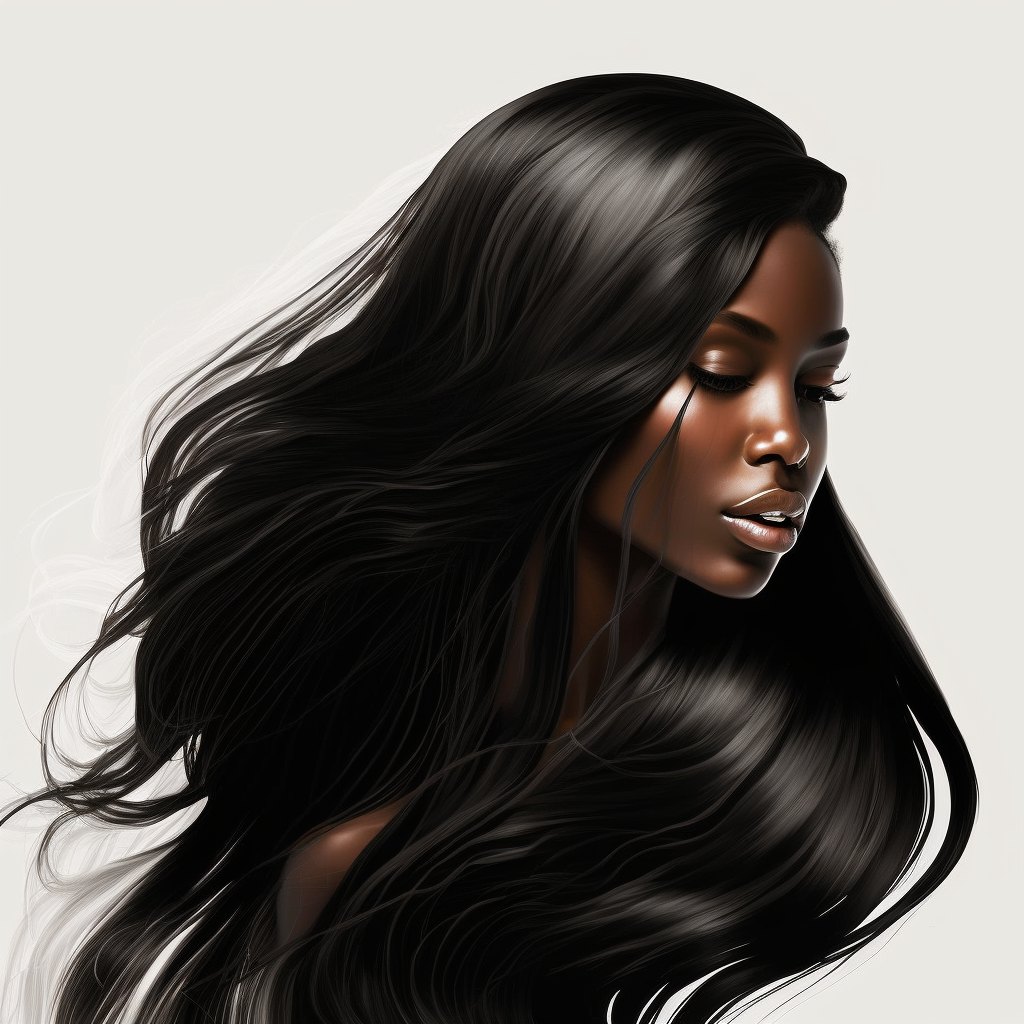
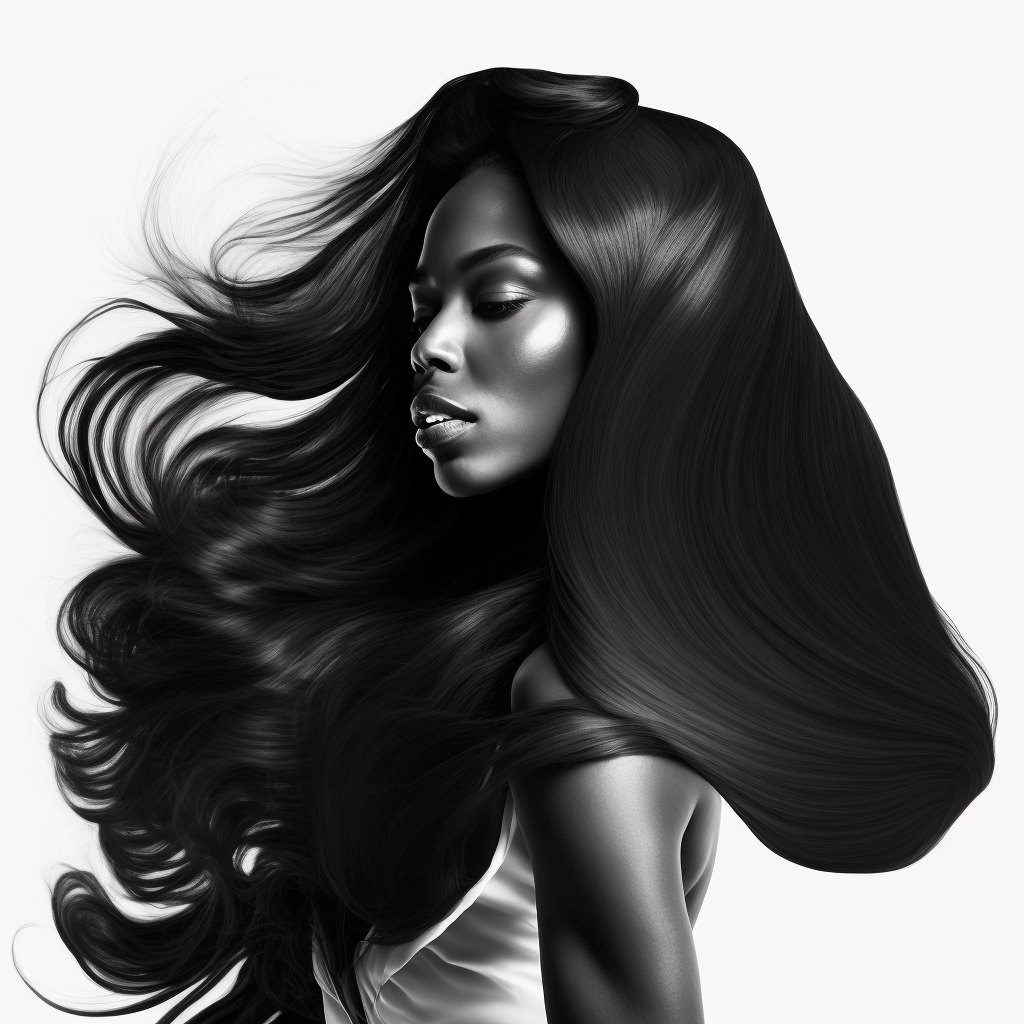
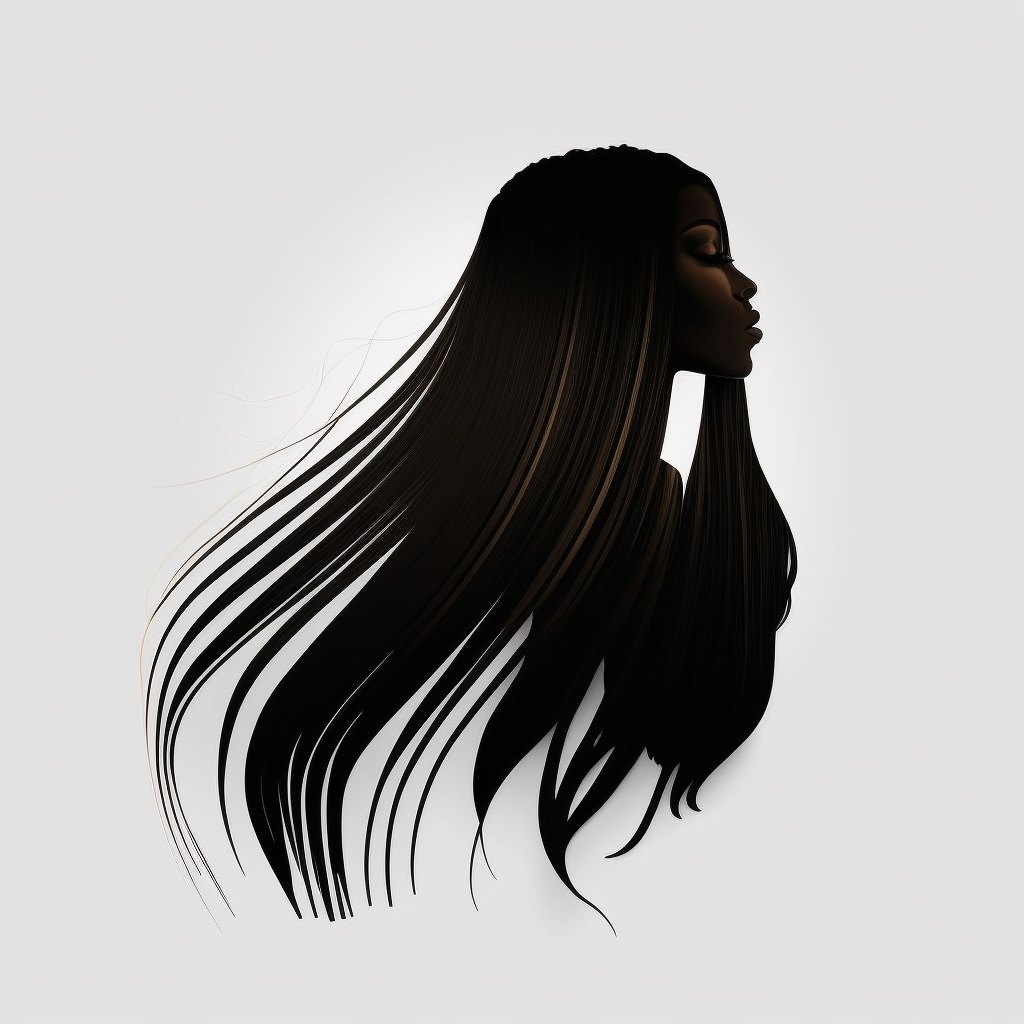
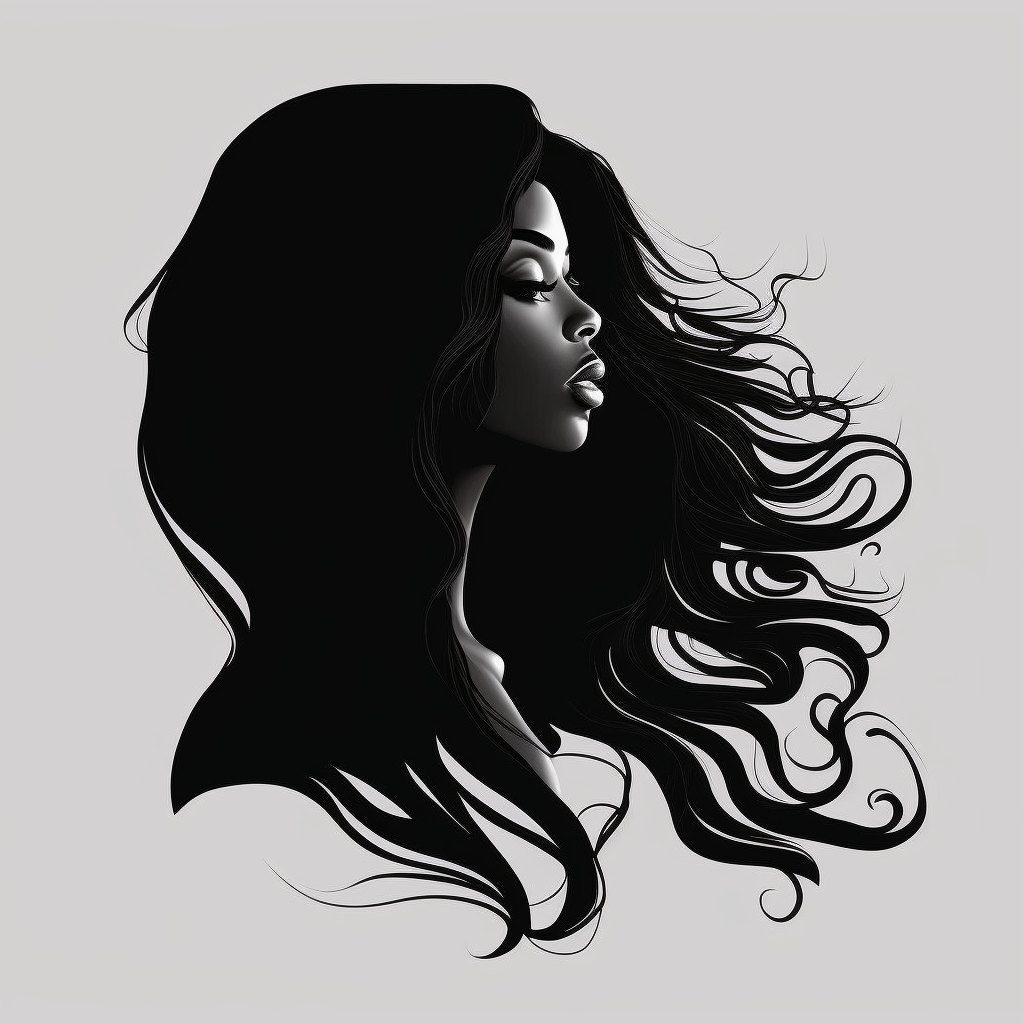
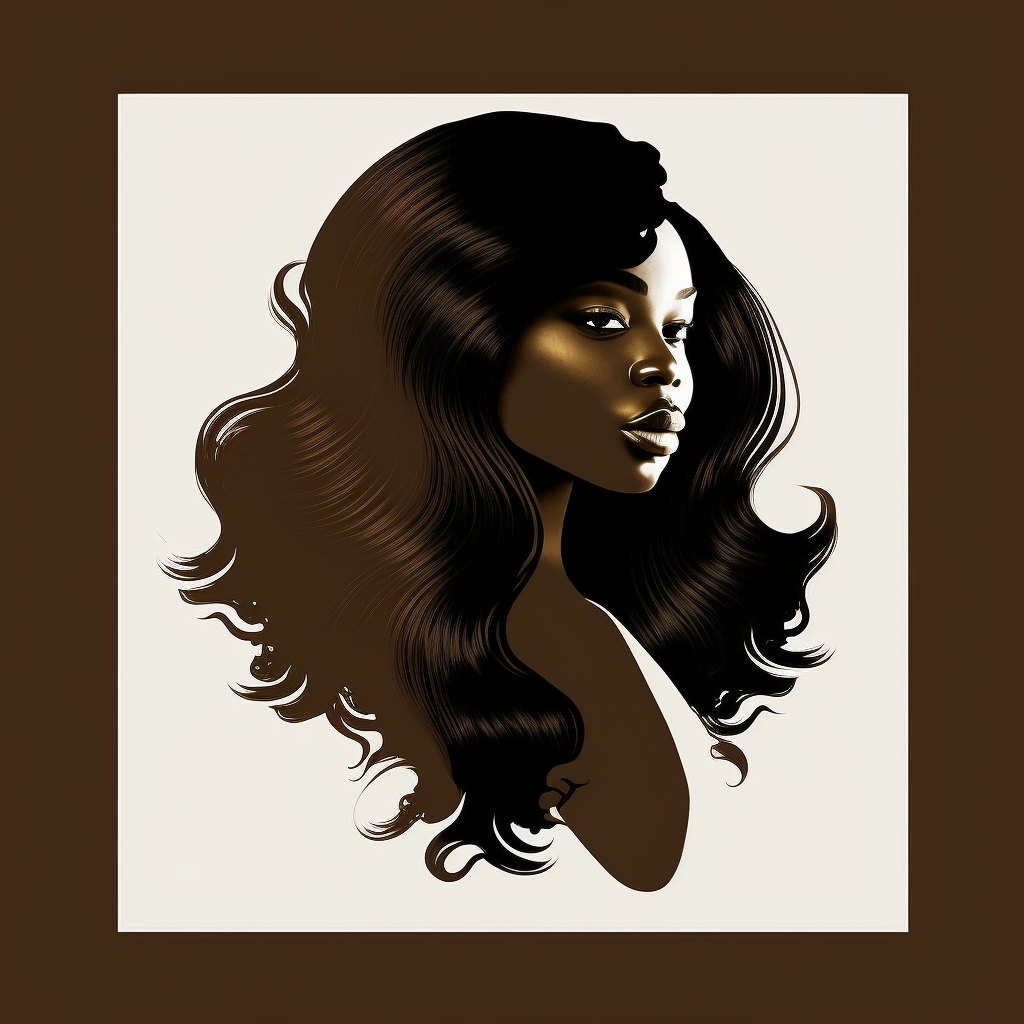
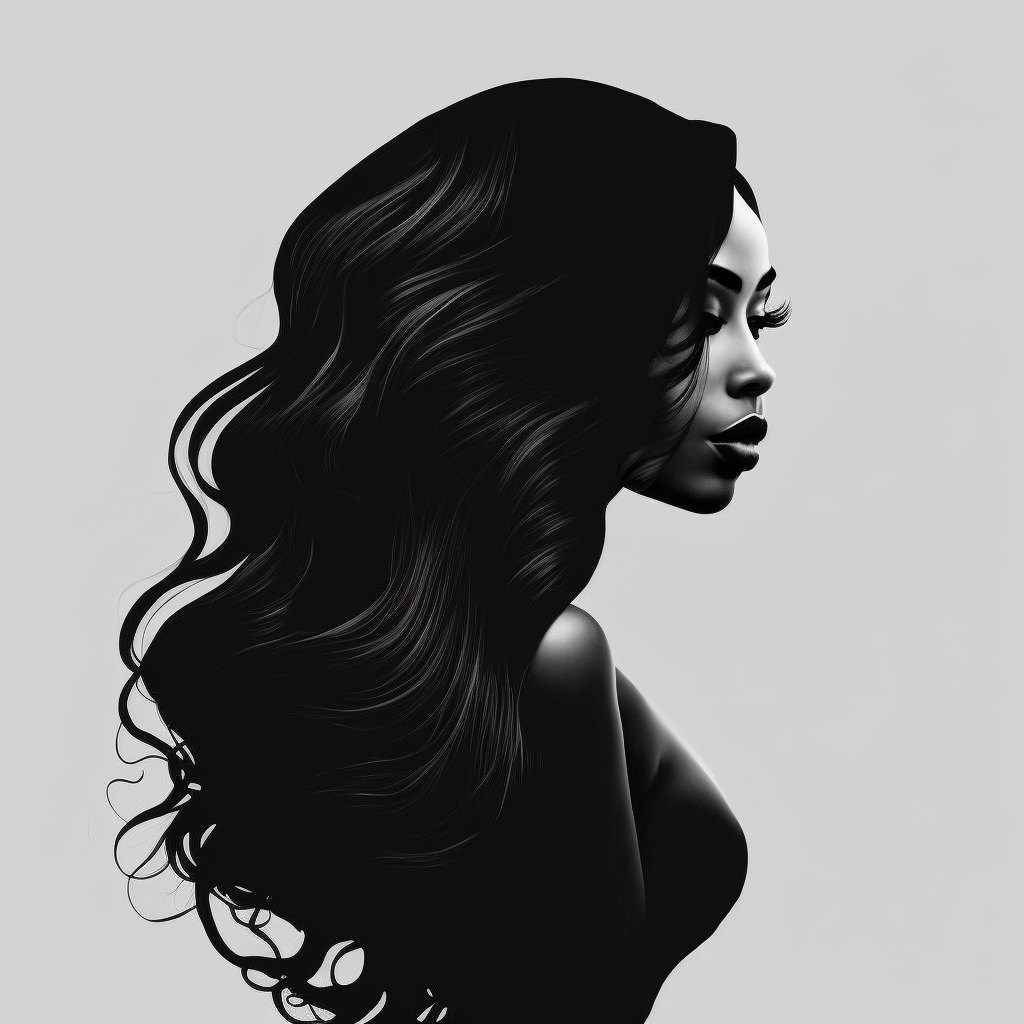
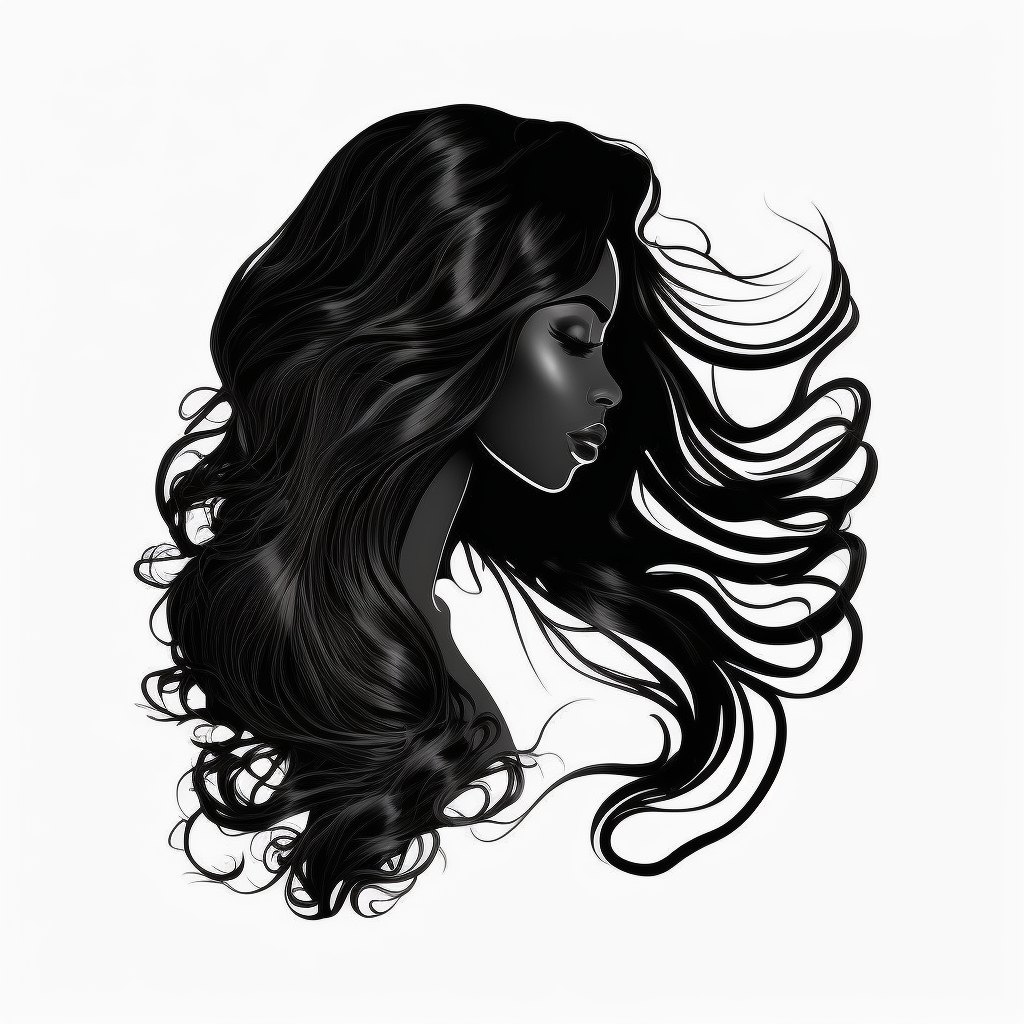
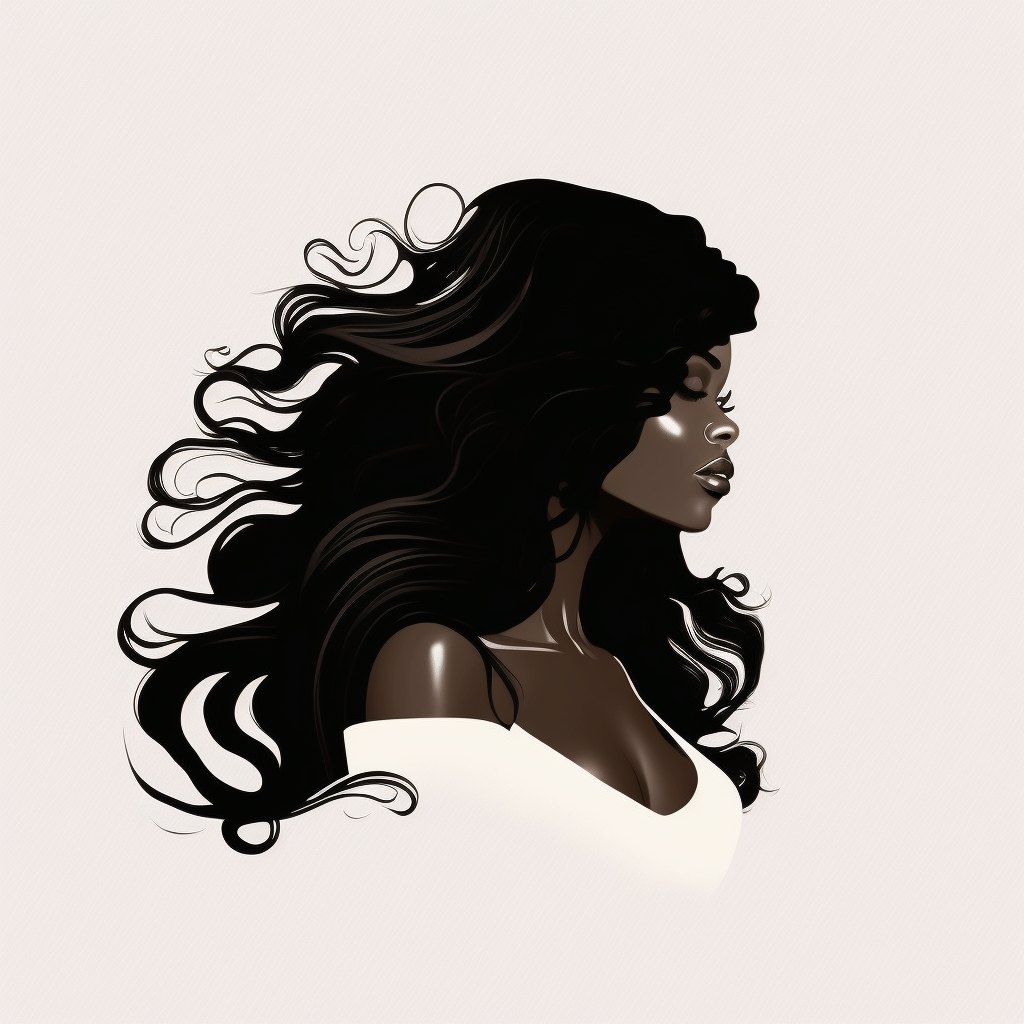
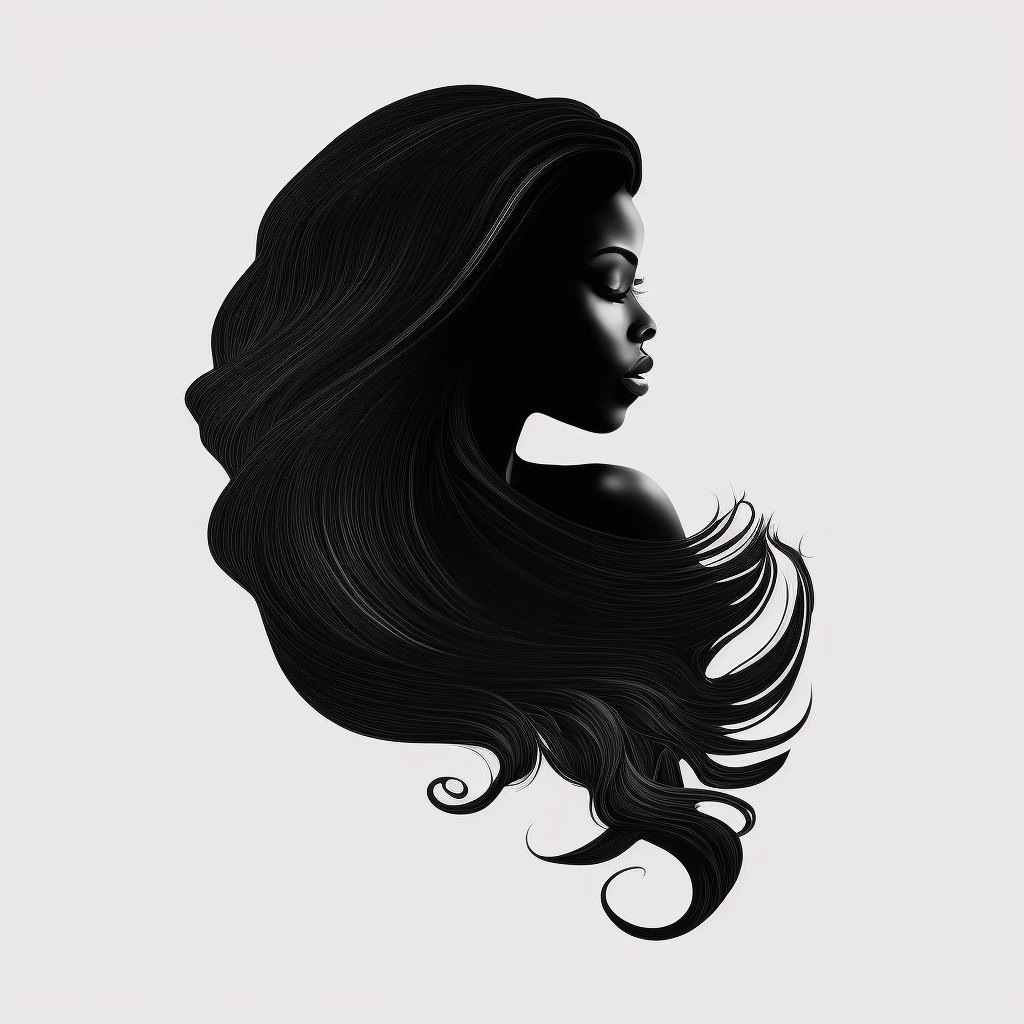
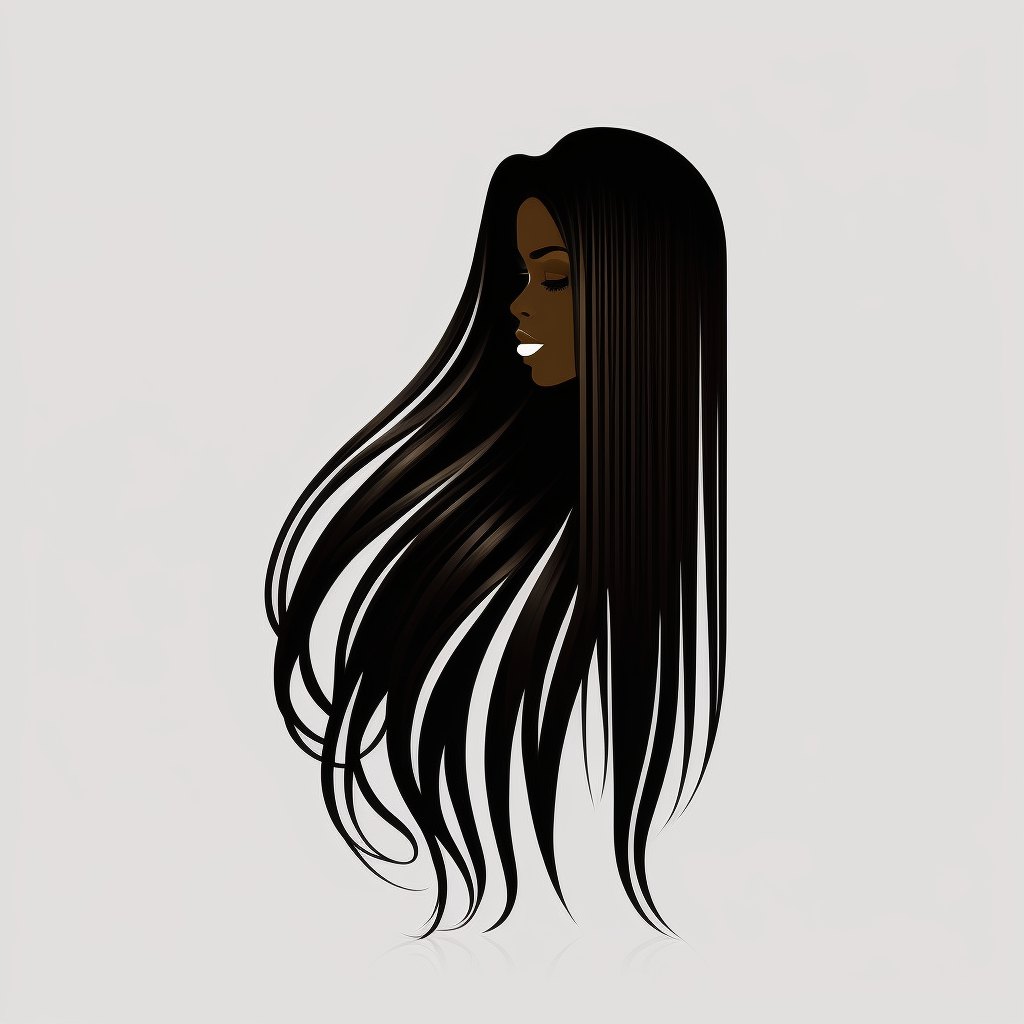
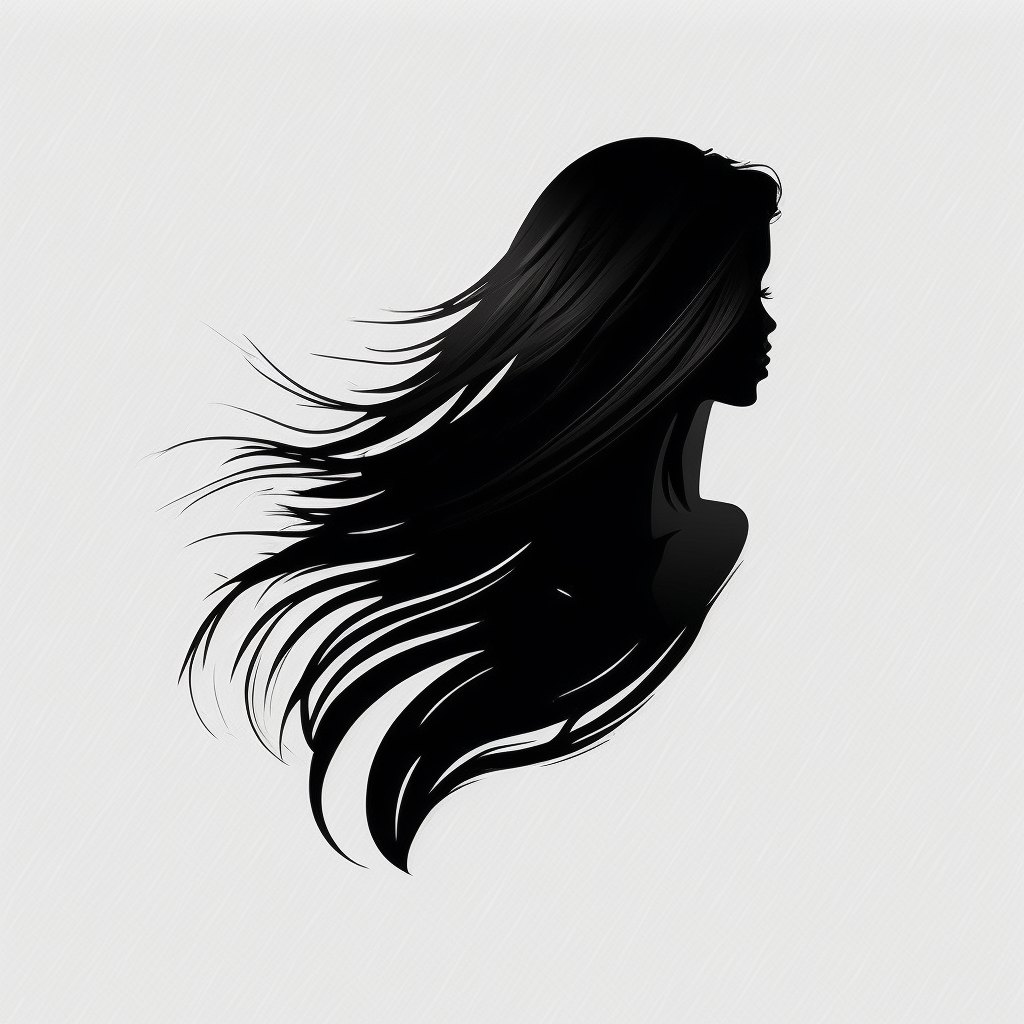
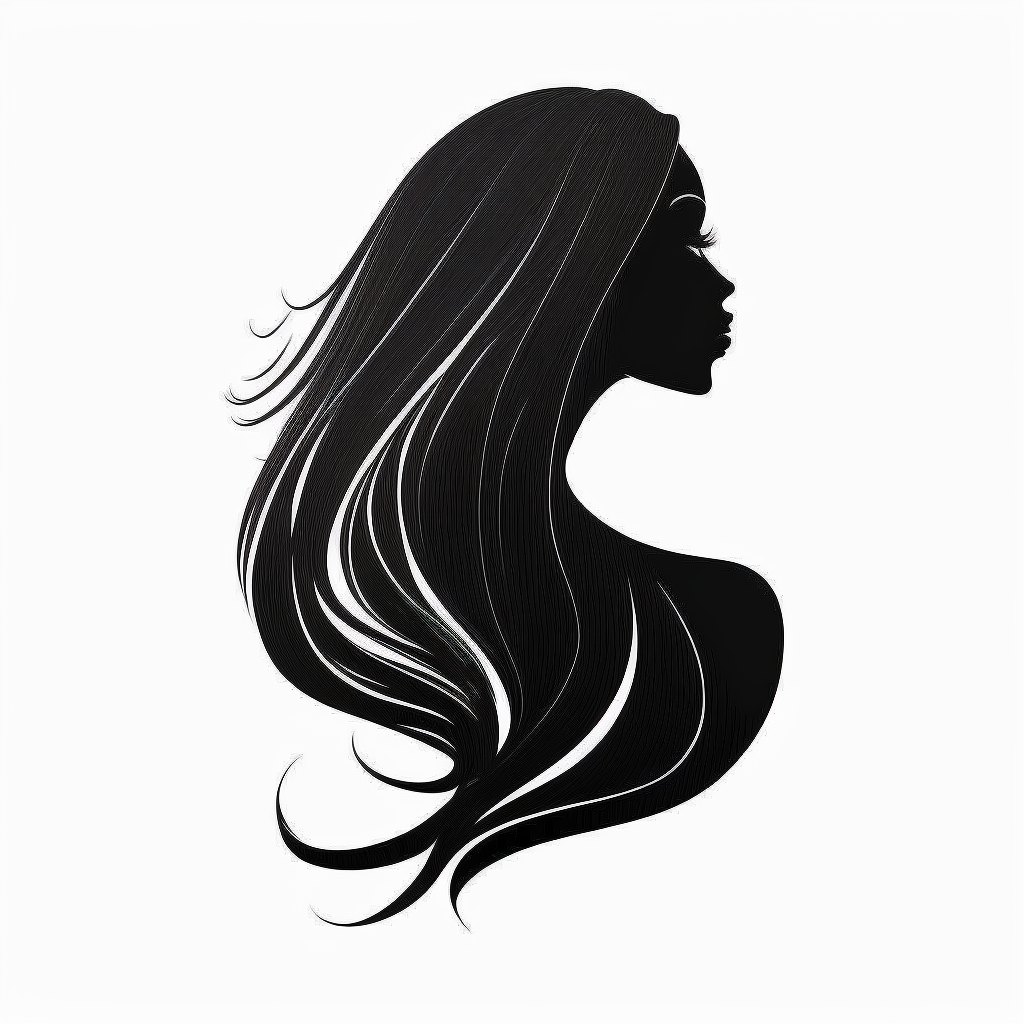
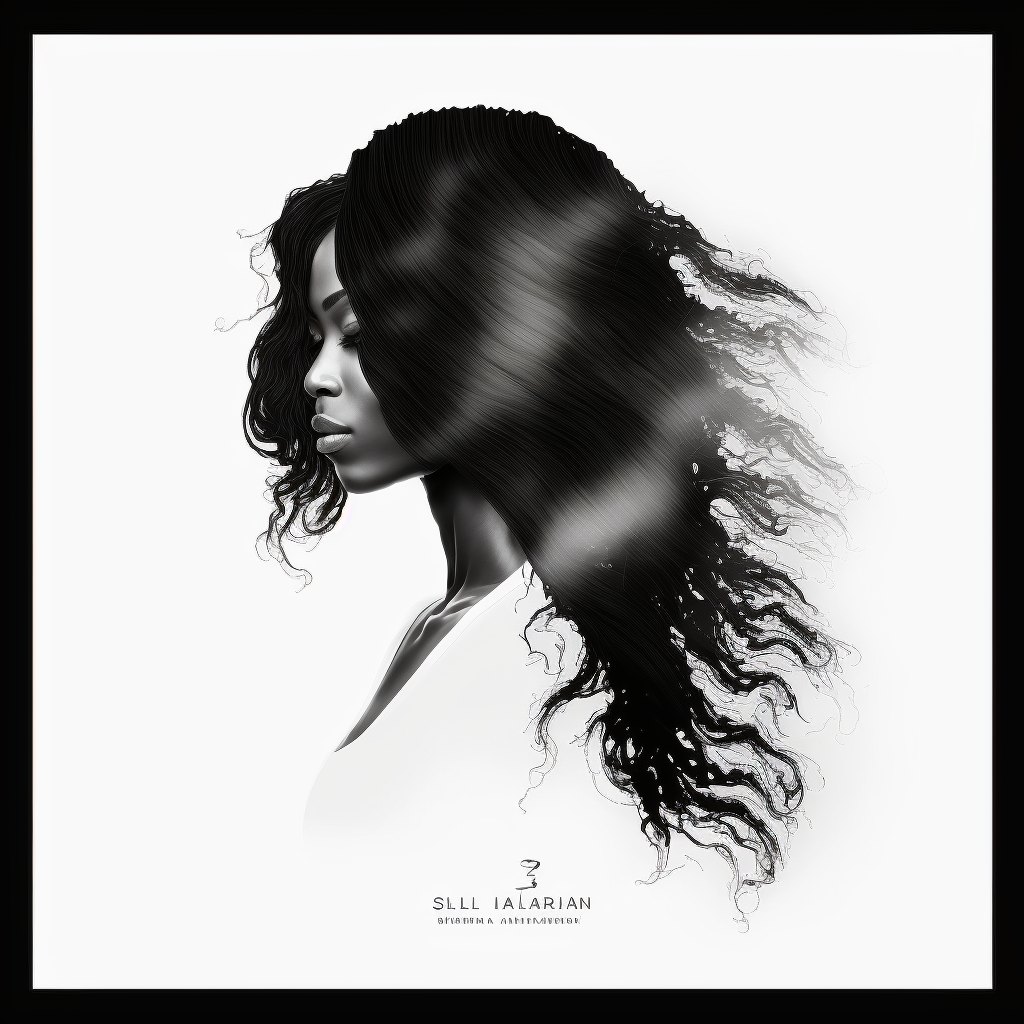
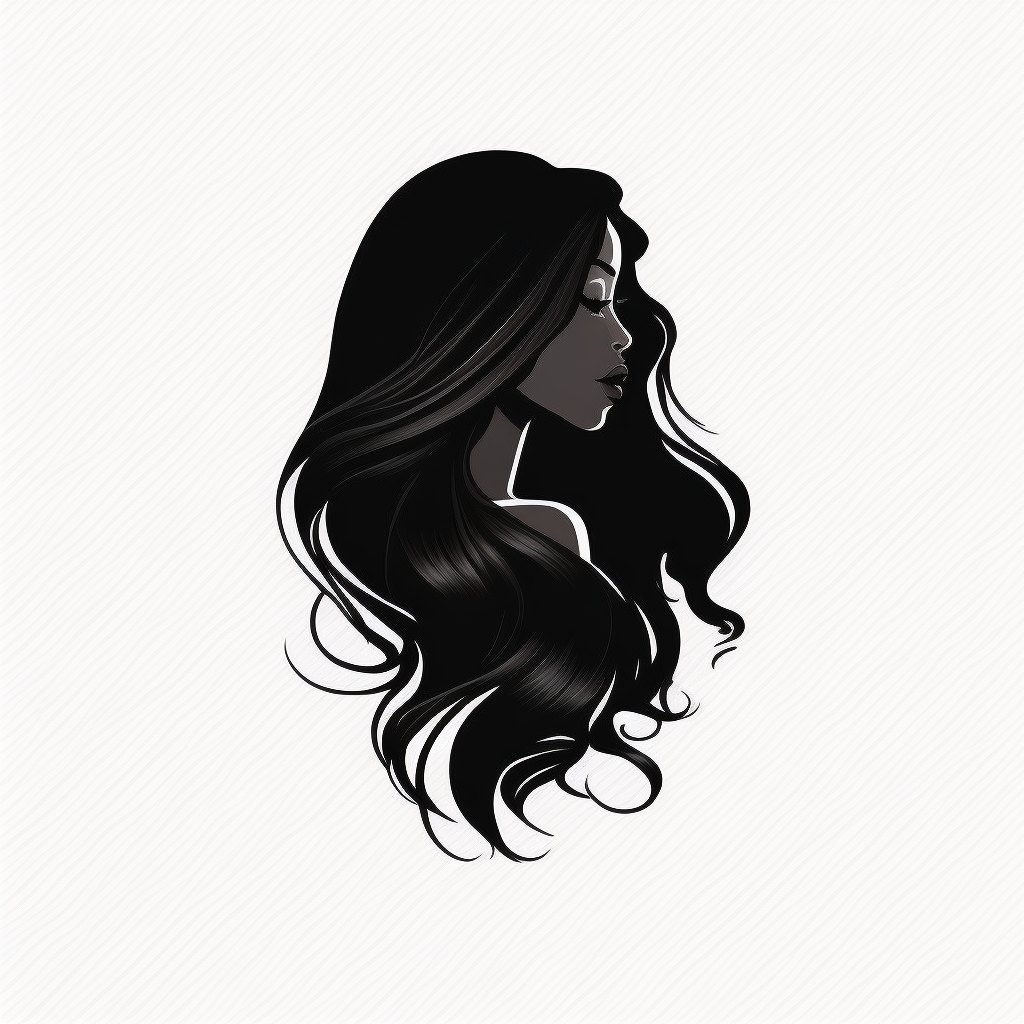
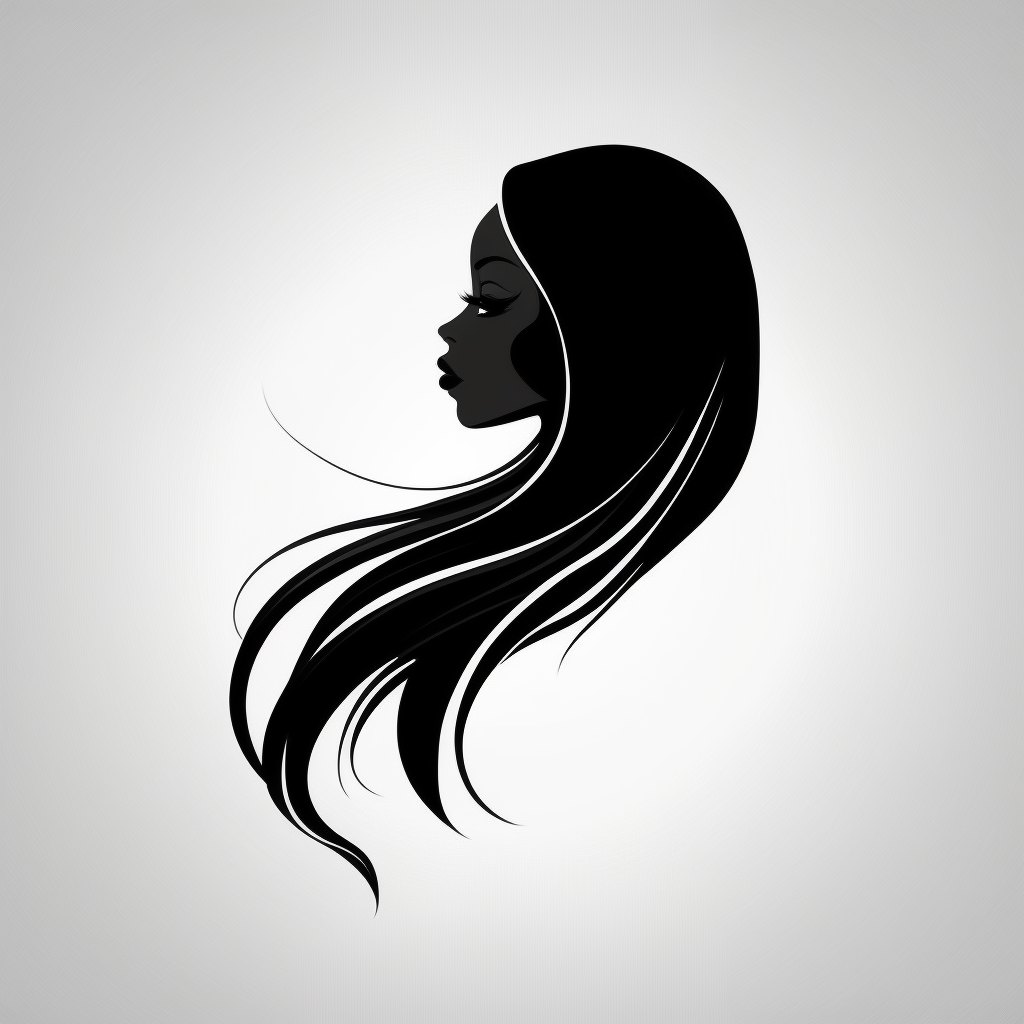
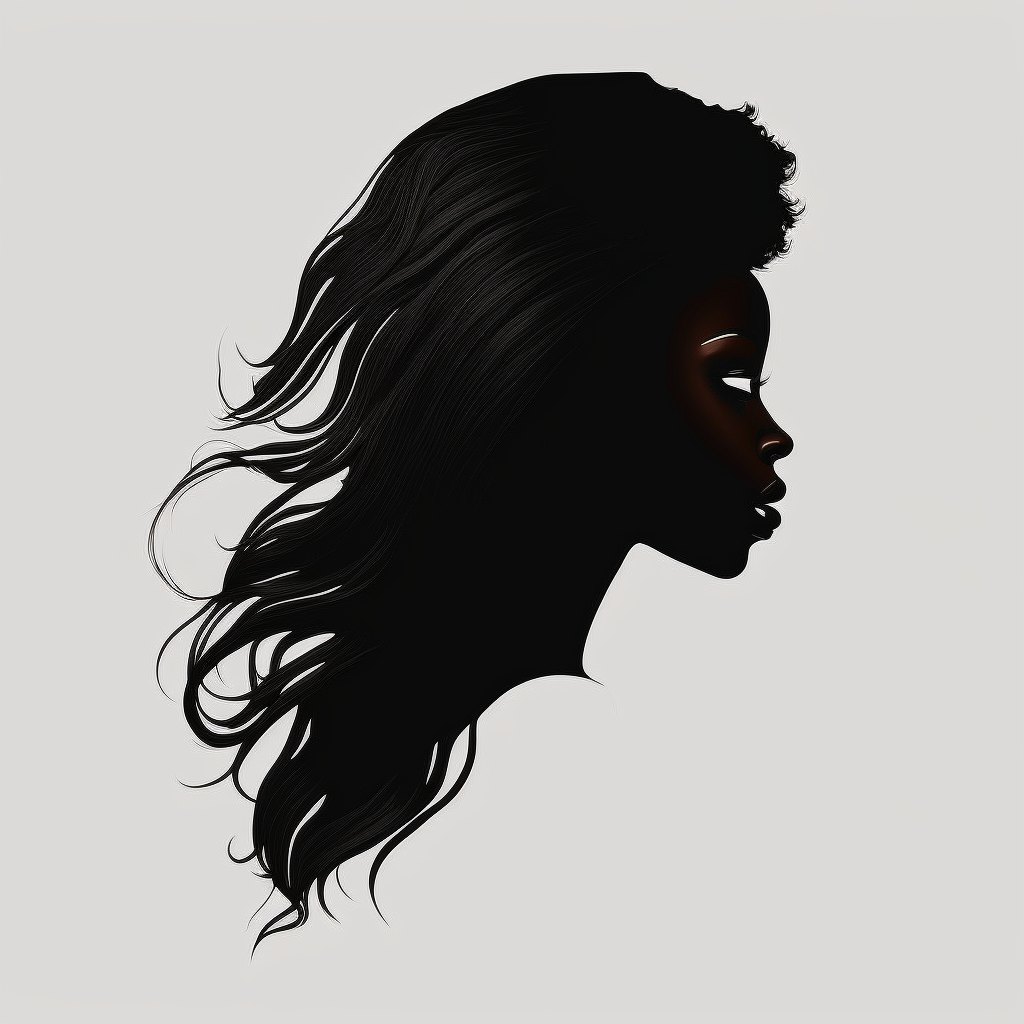
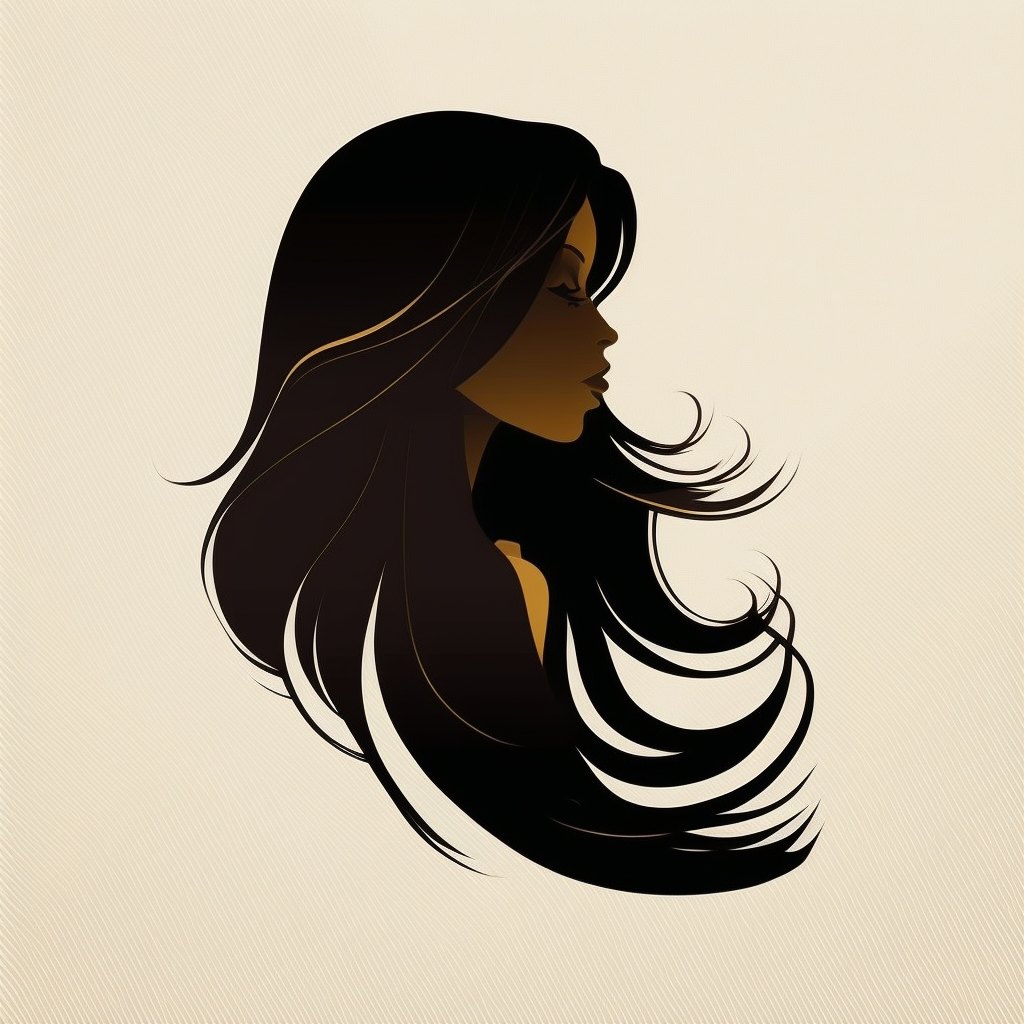
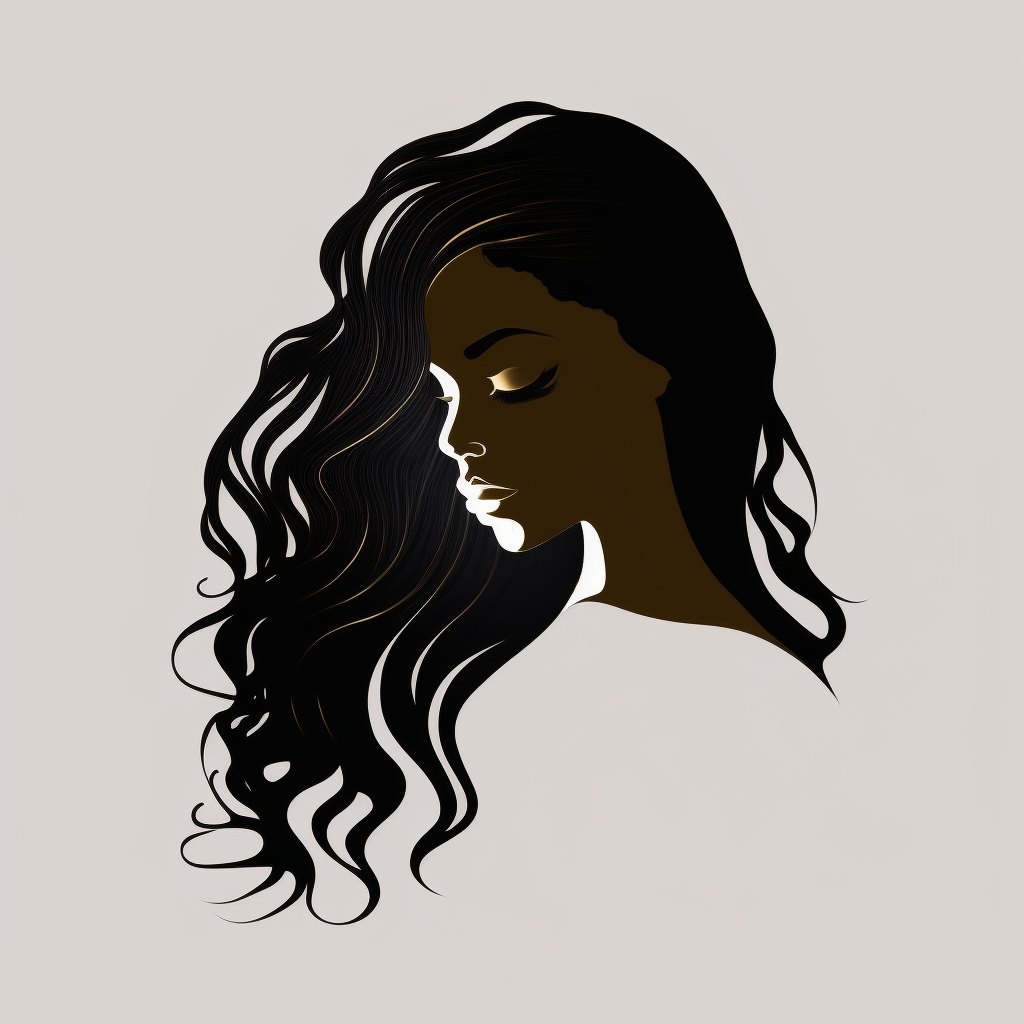
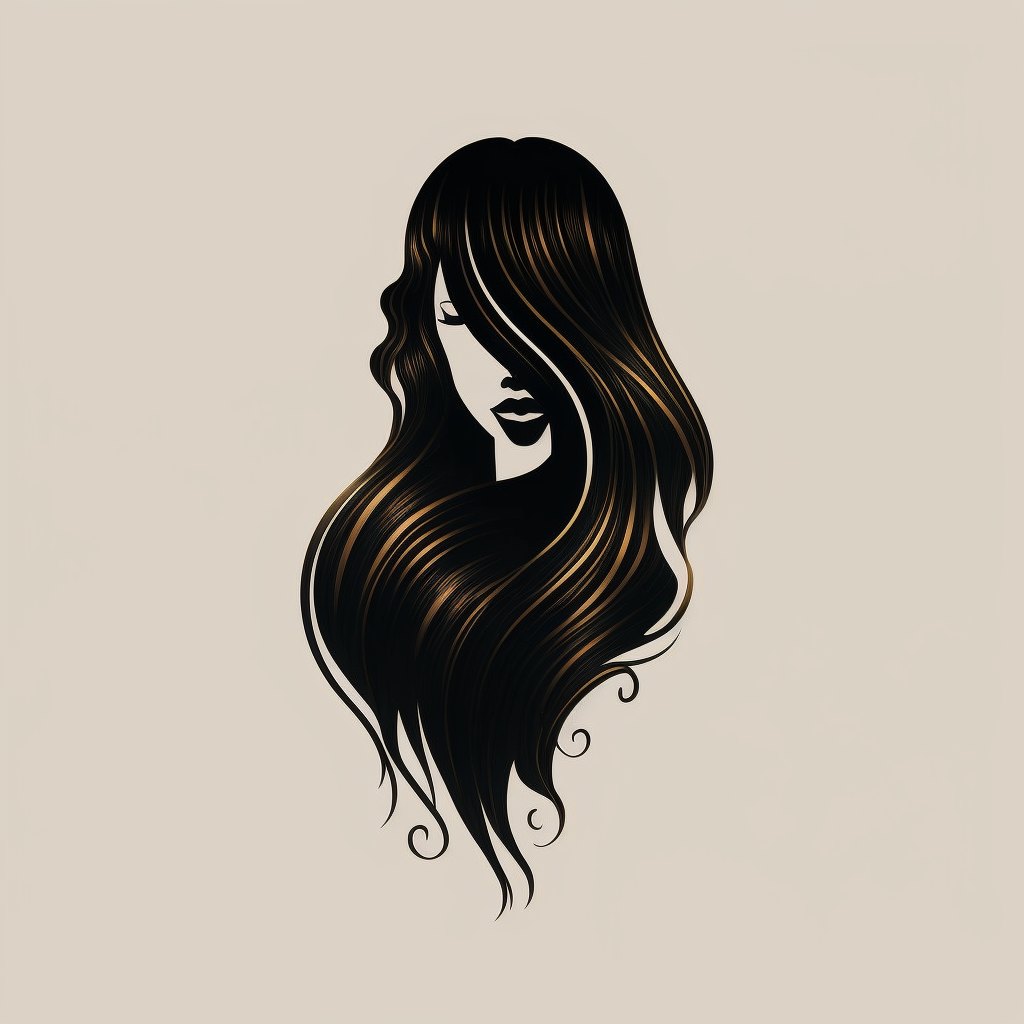
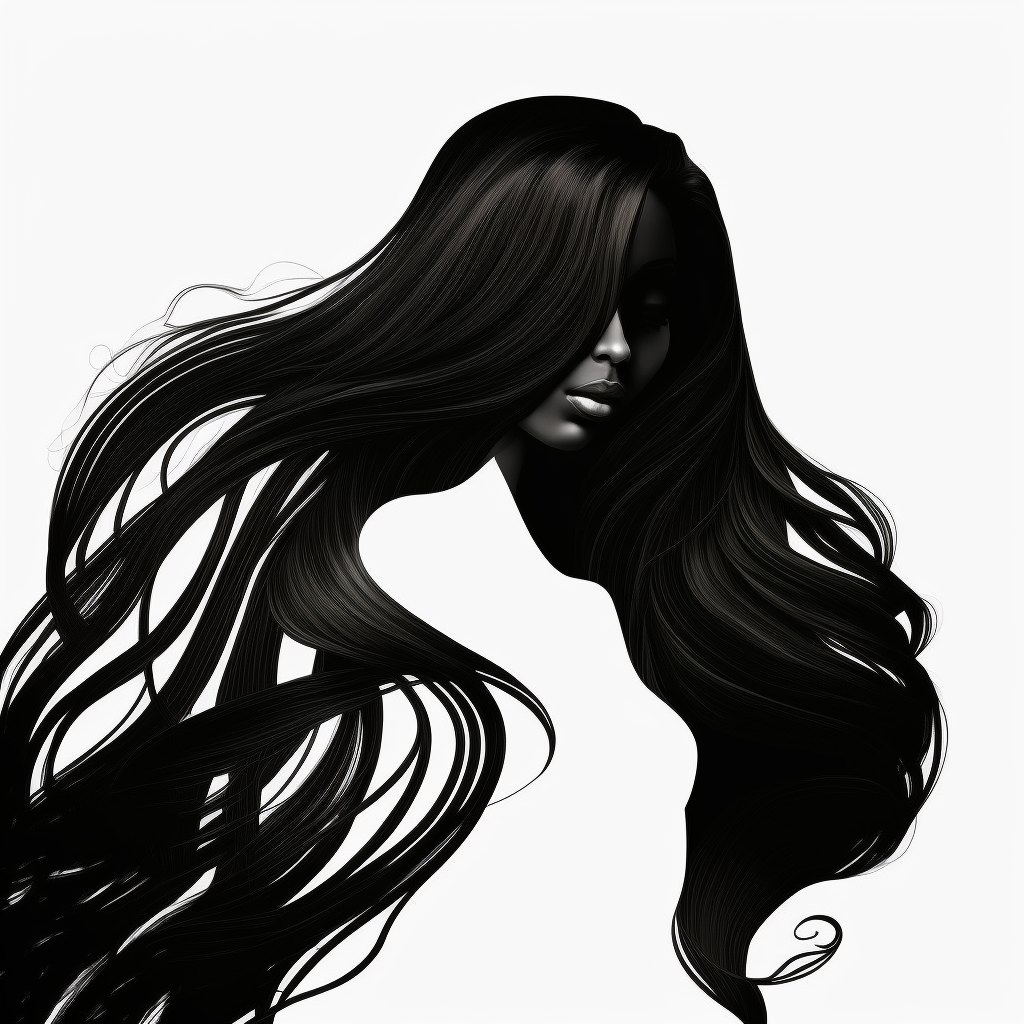
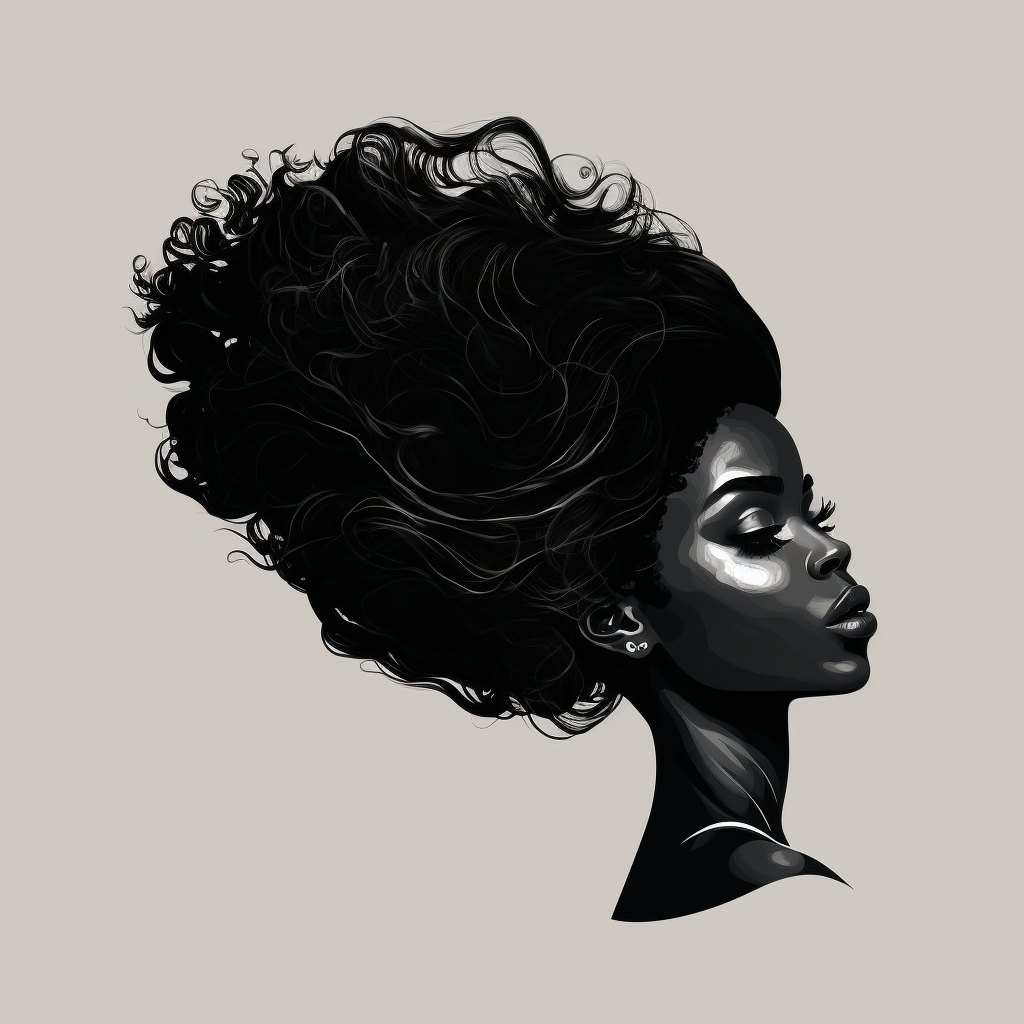
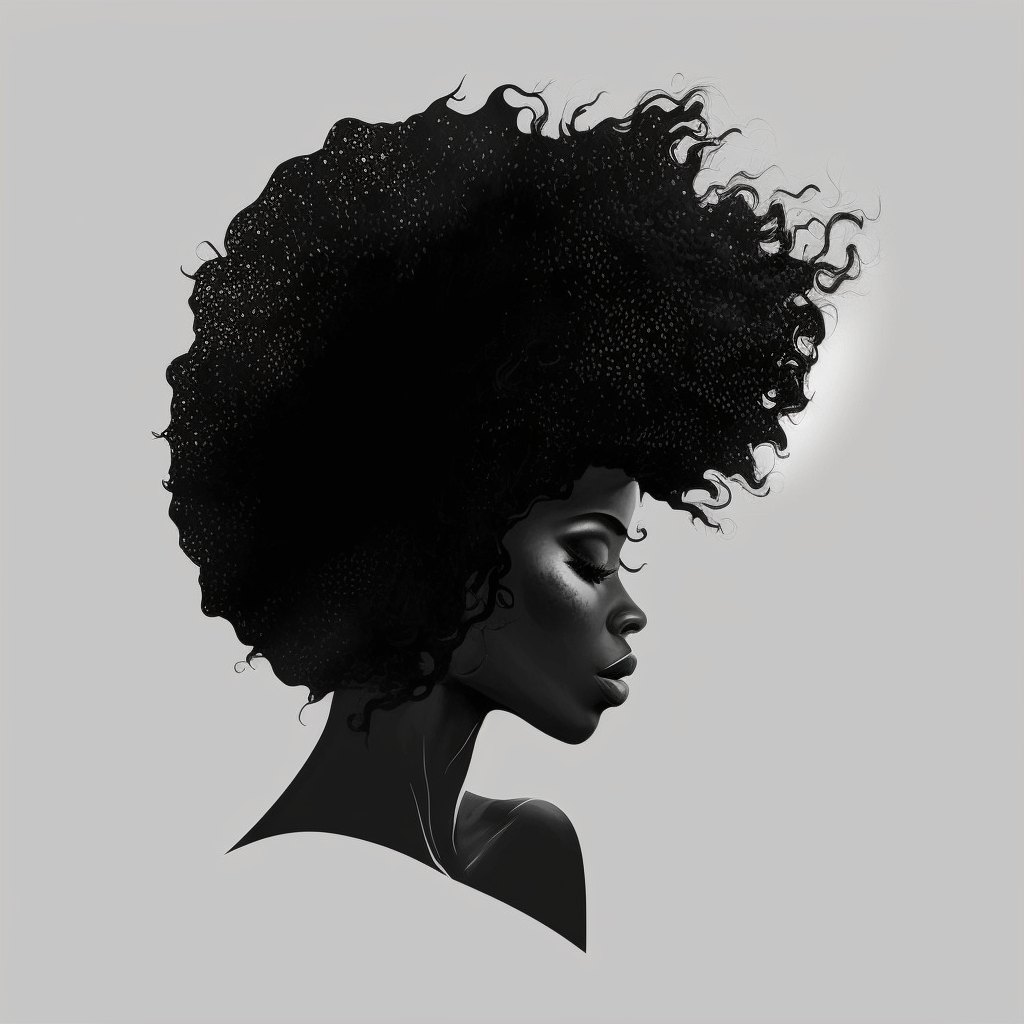
What you are actually downloading
- 62 images, every one 1024 × 1024 pixels, served as JPEG at roughly 94 KB each — about 5.9 MB for the set.
- They are AI-generated, and you can verify that yourself. The original filenames survive in each image's alt text, and they carry a generative image tool's export pattern — account name, then the prompt, then a UUID. The prompt is readable in the middle: beautiful black model hair logo minimalist. Right-click any logo above and inspect it.
- JPEG has no transparency. Every one of these has a baked-in background. A logo you can actually use needs a transparent PNG at minimum, and vector (SVG, EPS or AI) for anything printed.
- These are raster, not vector. At 1024 px they are fine for a profile picture, a website header or a watermark. They are not enough for embroidery on satin bags, a printed box, a vinyl storefront decal or a kiosk sign — all of which need vector artwork.
What you can actually own
This is the part that matters, and most free-logo pages skip it. General information, not legal advice — talk to a lawyer before you spend real money on a brand.
Copyright: nobody owns the artwork, including you
In the United States, purely AI-generated images are not protected by copyright. The US Copyright Office's March 2023 registration guidance is blunt about it: “If a work's traditional elements of authorship were produced by a machine, the work lacks human authorship and the Office will not register it,” because when a tool “receives solely a prompt from a human,” the traditional elements of authorship are “determined and executed by the technology—not the human user” (Copyright Registration Guidance, 88 Fed. Reg. 16190).
The Office restated it in its January 2025 Copyrightability report: “Copyright does not extend to purely AI-generated material,” and “prompts do not alone provide sufficient control.” The courts agree. In Thaler v. Perlmutter, decided 18 March 2025, the DC Circuit held that “the Copyright Act of 1976 requires all eligible work to be authored in the first instance by a human being” (No. 23-5233). The Supreme Court denied review on 2 March 2026, which leaves that decision standing without ruling on the merits itself.
The practical consequence: if you use one of these unchanged, you cannot stop a competitor copying the image, because there is no copyright in it to enforce — not yours, not ours, not the generator's. Anyone who finds this page can download the same file.
Trademark is a different right, and it is the one you want
Copyright protects a creative work. A trademark protects a source identifier — the thing that tells a buyer these bundles came from you. The USPTO sets them out side by side in trademark, patent, or copyright. Trademark law defines a mark by what it does in commerce, not by who drew it, and the statutory grounds for refusing registration — likelihood of confusion, descriptiveness, geographic terms, surnames, ornamentation — contain no authorship or AI bar.
So no rule stops you registering a mark whose artwork was AI-generated. That is not the same as a guarantee: a mark can still be refused for being descriptive, for being merely ornamental, or for being confusingly similar to an existing one — and a generative model trained on existing logos can hand you something uncomfortably close to a mark that is already registered. Search before you commit, using the USPTO trademark search, and search the wordmark you plan to put next to the icon too.
How to get protectable material back
The Copyright Office is equally clear that “the use of AI tools to assist rather than stand in for human creativity does not affect the availability of copyright protection for the output.” Human-authored contributions — your selection, arrangement and modifications — can be protected even when the raw generated image is not. In practice that means:
- Redraw it. Trace the concept into vector and change the proportions, weights and shapes. Your redraw is your work.
- Add your wordmark. A distinctive business name set in type you chose, locked into a layout you designed, is the part that does the real trademark work anyway.
- Change the palette to something you use consistently across packaging, listings and social.
- If you register anything containing AI-generated material, you have a duty to disclose it and to disclaim more-than-de-minimis AI content in the application. Getting that wrong puts the registration itself at risk.
Turning one of these into a logo you can use
- Pick two or three you like, not one. You will iterate.
- Reverse image search them before you get attached — check the icon is not already sitting on a competitor's storefront.
- Get it into vector. Either redraw it or hand it to a designer as a reference; this is the step that makes it printable and it is the step that creates your own authorship.
- Export the set you will actually need: transparent PNG for the web, a square crop for profile pictures, a horizontal lockup for site headers and packaging, and a single-colour version for embroidery and stamps.
- Check it small and in one colour. Most of these concepts are detailed. At 32 px on a phone, or stitched into a satin bag, fine detail turns to mud — if it does not read at thumbnail size in black on white, simplify it.
- Then be boringly consistent with it. Trademark rights in the US grow out of use in commerce, so the same mark used the same way everywhere is worth more than a better logo used sloppily. Branding your hair and finding a brand ambassador cover the rest.
FAQ — frequently asked questions
Are these logos really free?
Yes. No signup, no email, nothing to buy. Save any image from the grid above.
Can I trademark one of these?
Possibly. Nothing in trademark law bars a mark because its artwork was AI-generated, but registration is never automatic — distinctiveness, ornamentation and conflicts with existing marks all still apply. Search the USPTO database first and get a lawyer to look before you file.
Can someone else use the same logo I picked?
Yes, and that is the honest risk of any free logo set. There is no copyright in the raw generated image for anyone to enforce, and this page is public. Modify it and pair it with your own wordmark so what a competitor could copy is not the part that identifies you.
Why is there no transparent version?
They are JPEGs, and JPEG has no alpha channel. You will need to cut the background out, which is another reason the redraw step is worth doing properly.
Can I use one for embroidery or printed packaging?
Not as-is. Embroidery digitising and print both want vector artwork; a 1024 px JPEG with a baked-in background will come back looking rough. Convert to vector first.
Do I need a business licence before I use a logo?
A logo is not what triggers that question — selling is. See should I get a hair business licence.